November 13, 2026 | Steelers History Desk
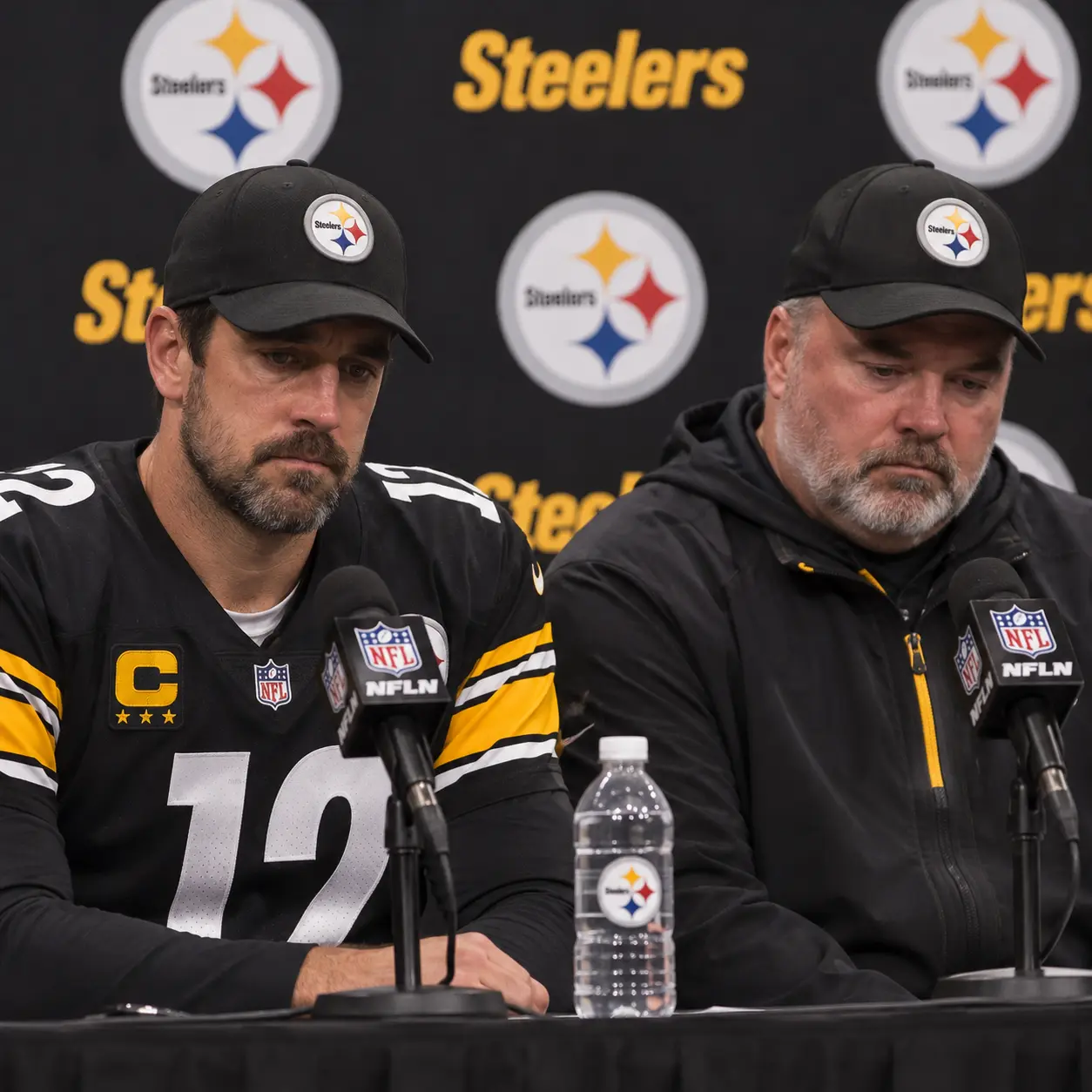
PITTSBURGH — The Pittsburgh Steelers are mourning Dick Hoak, a cornerstone of the franchise whose extraordinary career connected generations of players, coaches and supporters. Hoak died on November 11, 2026, at the age of 86. The club confirmed his death and paid tribute to a man whose influence extended far beyond the statistics and trophies that marked his decades in professional football.
For Steelers fans, Hoak represented a rare kind of continuity. He arrived in Pittsburgh as a young running back in 1961, then returned to the organization as a coach in 1972. Across 45 seasons as a player and assistant, he helped define a culture built on resilience, preparation and loyalty.
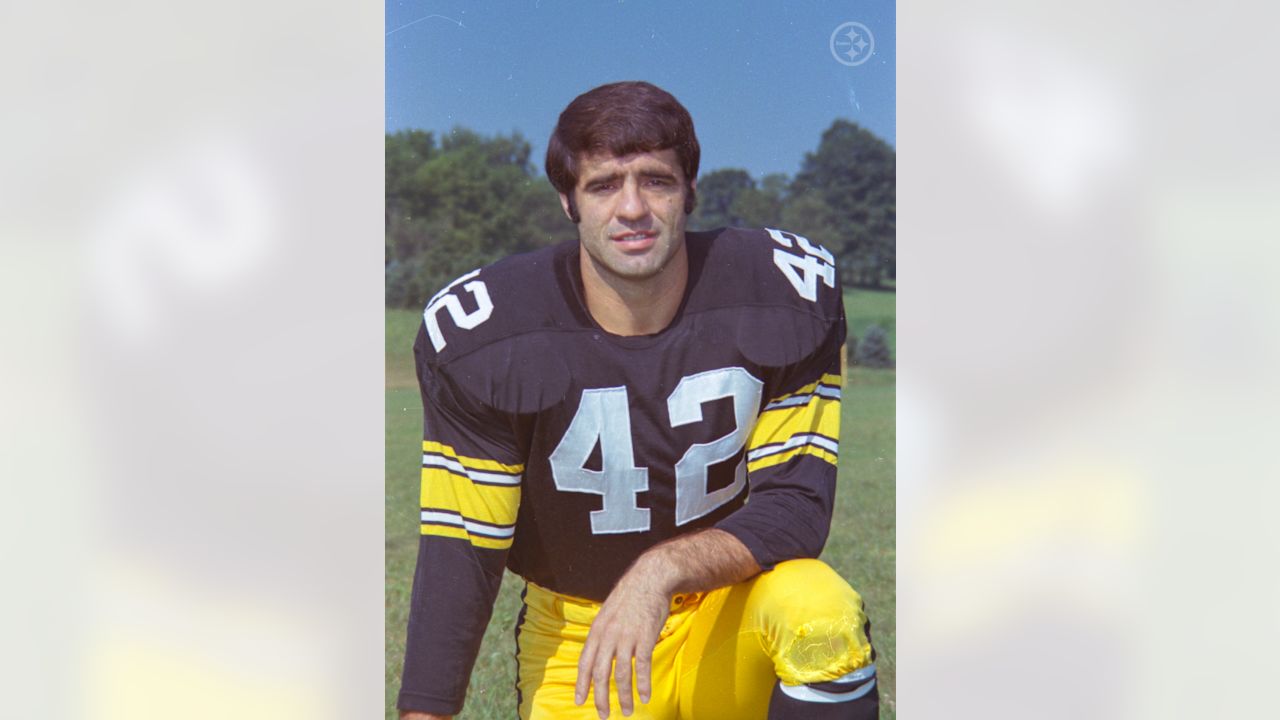 Dick Hoak in his playing days. Photo: Pittsburgh Steelers.
A Steeler Long Before the Championships
Born in Jeannette, Pennsylvania, Hoak grew up close to the city that would become his professional home. He starred at Penn State before Pittsburgh selected him in the seventh round of the 1961 NFL Draft. The Steelers of that era were not yet the championship powerhouse remembered today, and Hoak's playing years required persistence rather than celebrity.
Over 10 seasons, he rushed for 3,965 yards and 25 touchdowns, adding value as a receiver out of the backfield. His strongest rushing season came in 1968, when he gained 858 yards and earned a Pro Bowl selection. He retired after the 1970 campaign with a reputation for toughness and determination.
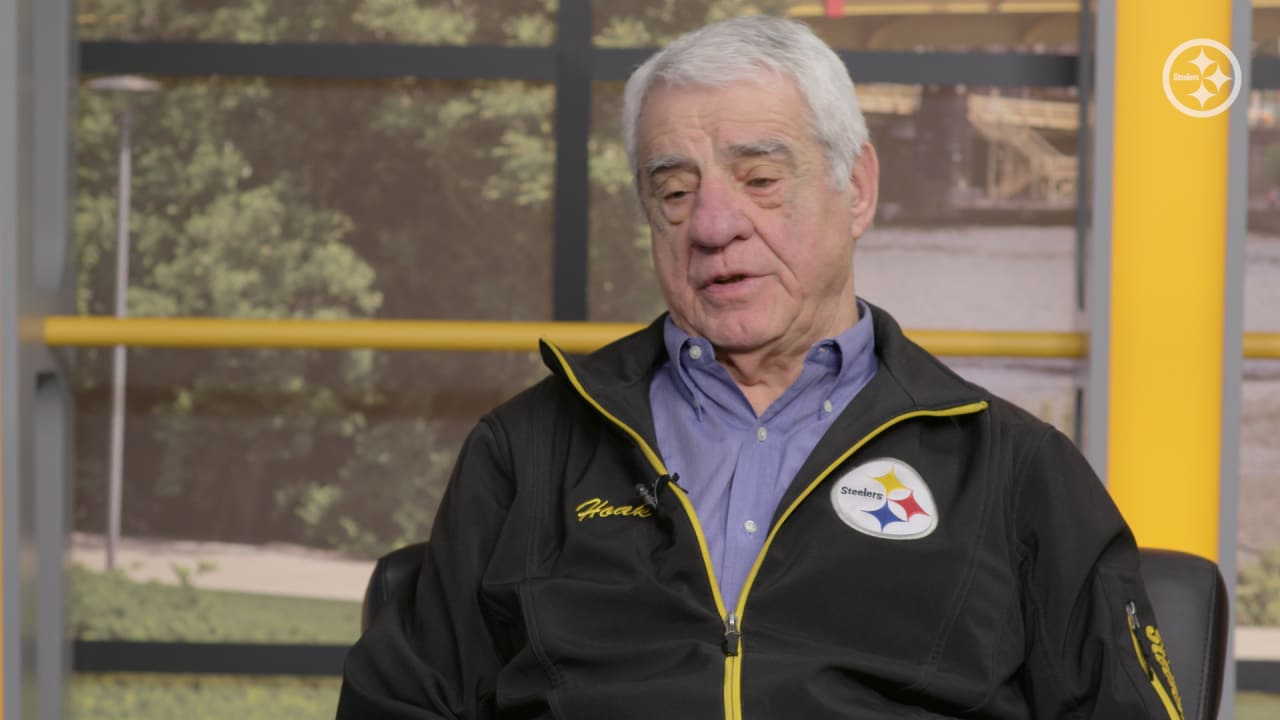
 Dick Hoak at a Steelers media event. Photo: TribLive.
The Coach Behind Pittsburgh's Running Game
In 1972, head coach Chuck Noll brought Hoak back as running backs coach. The appointment began one of the most enduring assistant-coaching tenures in NFL history. His first season coincided with the arrival of Franco Harris, whose remarkable rookie campaign helped launch Pittsburgh toward a new era.
Hoak became a trusted teacher to Harris and Rocky Bleier as the Steelers won four Super Bowls in six seasons during the 1970s. He favored fundamentals, clear assignments and allowing gifted runners the freedom to use their instincts. His contribution was often less visible than a game-winning touchdown, but it helped make those moments possible.
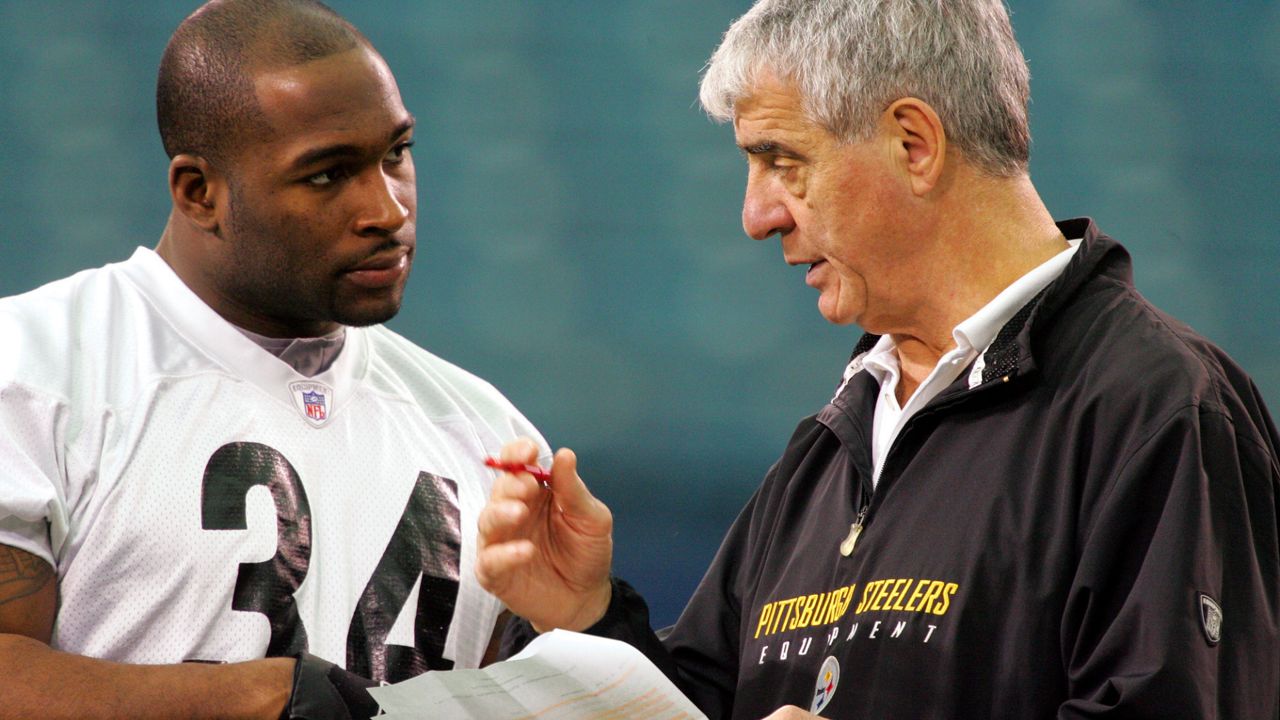
He later coached other important Steelers backs, including Barry Foster, Jerome Bettis and Willie Parker. By the time Pittsburgh captured Super Bowl XL after the 2005 season, Hoak had been part of five championship teams as an assistant coach — an extraordinary achievement for someone who never sought the spotlight.
 Hoak with Steelers players during his coaching years. Photo: Pittsburgh Steelers.
The Trusted Voice Across Two Eras
Hoak's importance became especially clear when Bill Cowher succeeded Noll as head coach in 1992. Cowher retained Hoak from the previous staff, relying on his experience to understand the traditions of a franchise already associated with excellence. The decision ensured that the lessons of Pittsburgh's first championship era continued into the next.
His value was not limited to developing running backs. Cowher regarded Hoak as a steady adviser whose judgment mattered during difficult moments. Hoak's calm manner, deep knowledge of the organization and willingness to offer straightforward opinions made him an important presence behind the scenes.
There were opportunities for him to pursue other coaching positions, including roles that might have brought greater recognition. Yet Hoak repeatedly chose to remain with the Steelers and close to his family in western Pennsylvania. That decision became one of the defining elements of his professional legacy.
Recognition for a Lifetime of Service
When Hoak retired after the 2006 season, he left with five Super Bowl rings and an extraordinary record of service. His place in Steelers history was formally recognized in 2017, when he joined the inaugural class of the franchise's Hall of Honor.
In 2025, the Pro Football Hall of Fame presented him with an Award of Excellence, acknowledging the essential work performed by contributors whose achievements can sometimes be overshadowed by the game's most recognizable figures.
Following his death, Steelers president Art Rooney II described Hoak as a foundational member of the organization, emphasizing his loyalty, dedication and influence across generations. The statement extended condolences to the Hoak family and underscored the affection he inspired throughout the club.
A Legacy Larger Than Five Rings
For the Steelers, Hoak's passing is the loss of more than a former player or assistant coach. It marks the departure of someone who witnessed the franchise's transformation from a struggling team into one of the NFL's defining organizations — and who helped make that transformation possible.
His career offered a reminder that football history is built not only by the men who score touchdowns or lift trophies, but also by those who teach, mentor and preserve a team's identity year after year. Generations of Pittsburgh running backs benefited from his guidance. Generations of Steelers supporters benefited from the winning culture he helped sustain.
As the organization remembers Dick Hoak, his legacy remains woven into the black and gold: five championships, 45 seasons and a lifetime of commitment to the city he called home.


 Archival of Justin Bieber; not a photograph of the described scene.


