THE WHITE HOUSE | PEOPLE & PUBLIC LIFE
From formal portraits to public ceremonies, the couple's appearances have offered glimpses of a partnership lived under extraordinary scrutiny.
WASHINGTON, D.C. | November 14, 2026 | Feature & background

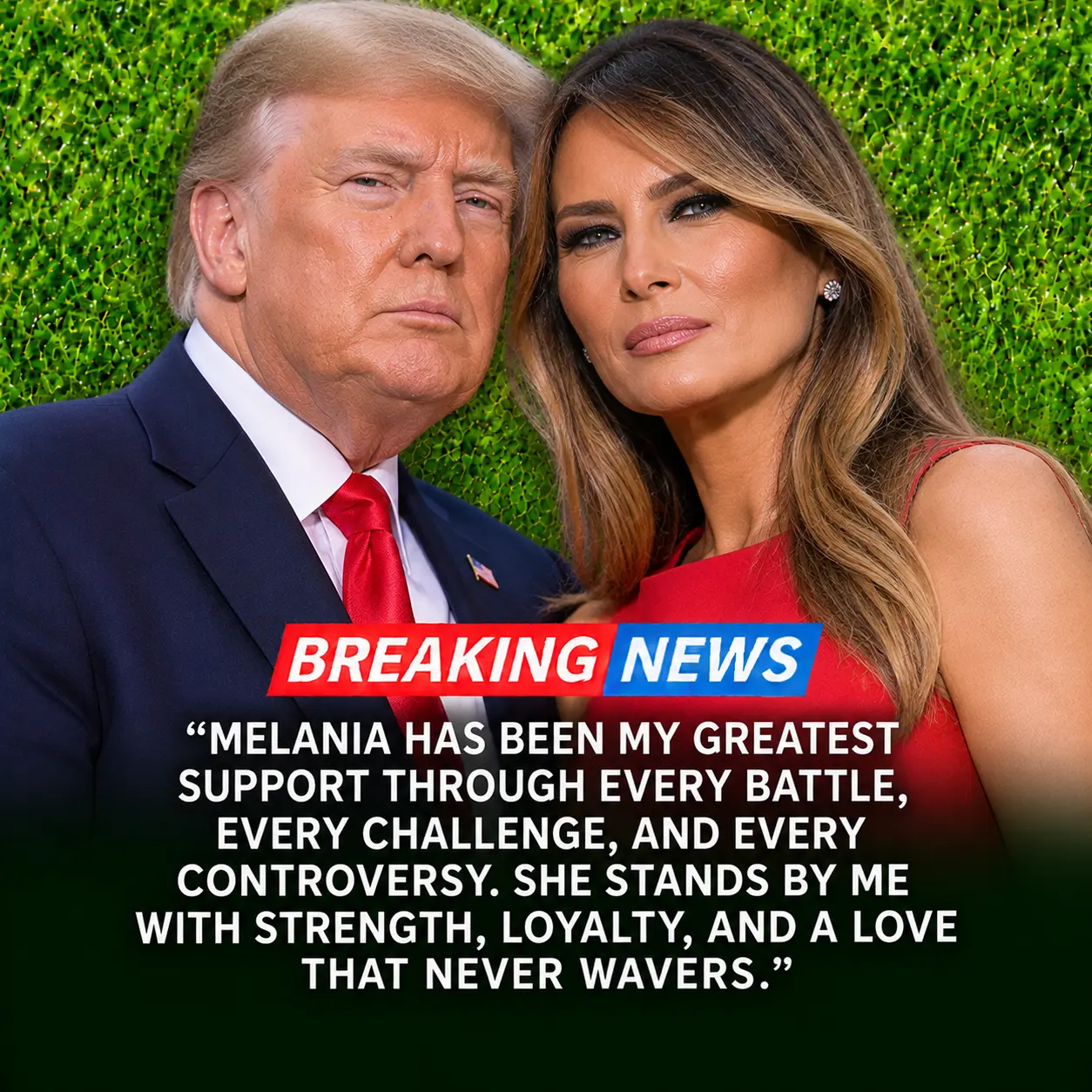
Few political marriages have attracted the sustained attention given to Donald and Melania Trump. Every entrance, expression and shared appearance becomes part of a much larger public conversation. For supporters, their photographs can symbolize continuity and loyalty. For critics, the same prompt questions about the unusual pressures of political celebrity. Yet photographs, however revealing they may seem, cannot tell the full story of a private relationship.
That distinction matters in Washington, where a few seconds of footage can race across social media before the context catches up. A moment of silence can be recast as a disagreement; a formal gesture can become an elaborate theory. A more careful look at the couple's documented public history tells a less sensational, more human story about ceremony, visibility and the boundaries of what outsiders actually know.
A partnership in the spotlight
Donald and Melania married in 2005, years before their daily lives became inseparable from the American presidency. Their son, Barron, was born in 2006. As the family's public profile expanded, Melania developed a presence that was distinct from her husband's: measured in interviews, selective in appearances and often focused on the responsibilities she chose to undertake.

During their first years in the White House, joint photographs frequently followed the rhythms of official life: holiday celebrations, commemorations, diplomatic occasions and visits involving families. Those occasions were staged for public purposes, but they also became the through which millions of people understood the First Couple. The polished settings sometimes obscured the complicated reality of living where personal identity and national symbolism continually overlap.
that become memories
One especially recognizable photograph captured the pair holding hands in the White House in September 2019, following observances marking the September 11 attacks. Its quiet composition communicated something very different from the confrontational energy that often surrounds political coverage. The moment was a reminder that official photography can record grief, remembrance and solemn duty without providing answers about the inner lives of its subjects.

Holiday portraits offered another kind of public . Surrounded by decorated trees, flags and ceremonial architecture, the couple appeared within a tradition reaching far beyond any individual administration. Such pictures are designed to project warmth and stability. They also invite viewers to remember their own family rituals, an emotional connection that helps explain why these photographs continue to circulate years after they were taken.
Melania's role beyond the frame
Melania's public identity has never rested exclusively on standing beside the president. Her work as First Lady has included children and family-centered initiatives, carefully chosen speeches and a recognizable visual style. Her official portrait, photographed in January 2025 in the Yellow Oval Room, emphasized a composed and formal as a new chapter of White House life began.

In May 2025, the couple appeared together at a White House ceremony connected to the Take It Down Act. Public events like this place the First Lady in conversations about families, technology and personal safety, underscoring that the office carries its own public expectations. Whether the occasion is legislative, ceremonial or commemorative, the presence of both spouses draws attention to how separate public roles intersect.
Later appearances have continued to offer moments for photographers and observers. In March 2026, the president and first lady attended a White House event celebrating Women's History Month and National Working Mom's Day. In September, they took part in a Pentagon remembrance ceremony on the twenty-fifth anniversary of September 11. These events are identifiable and documented; neither requires an invented crisis to make the meaningful.

What the public can—and cannot—know
There is a familiar temptation to transform every glimpse of a prominent couple into a definitive declaration. When two people are watched as closely as the Trumps, even ordinary body language can be treated as evidence of something extraordinary. But a camera captures a fraction of a day, not the entirety of a marriage. An absence from one event does not explain someone's motives, just as a smile in another cannot settle questions about personal feelings.
The enduring fascination with Donald and Melania Trump reflects more than interest in one family. It reveals how Americans consume the presidency as both an institution and an intimate story. The public sees portraits, ceremonies, departures and arrivals, then tries to fit those fragments into a larger narrative. Responsible storytelling keeps the record separate from speculation and treats the people inside these as more than symbols.
For now, the documented moments speak for themselves: a couple whose marriage has spanned decades, whose public roles have evolved, and whose photographs remain unusually powerful cultural artifacts. Behind each carefully framed scene is a private world that no headline can fully reveal. Sometimes the most compelling story is not a sudden announcement, but the long history visible in the pictures already before us.