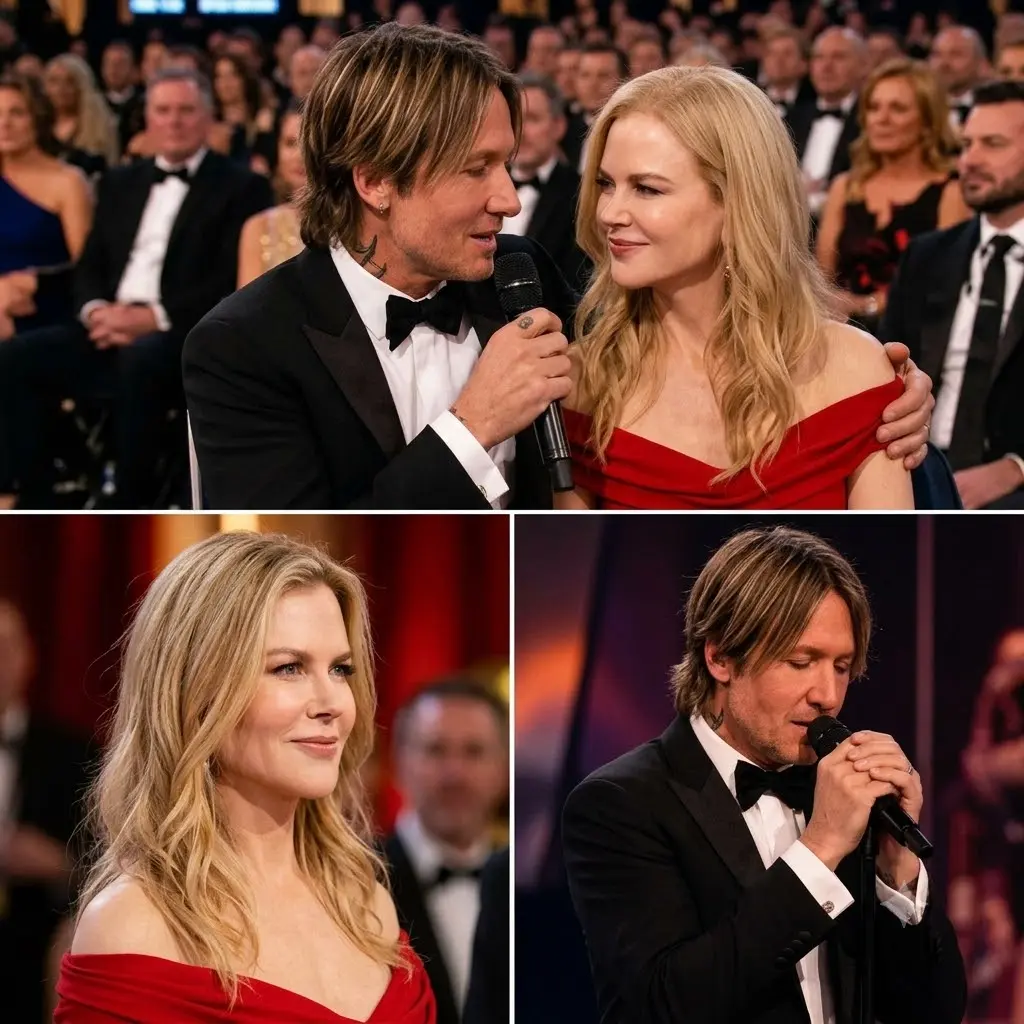
Keith Urban stepped onto the American Music Awards stage on May 25, 2026, delivering a performance that brought a different musical atmosphere to one of the year's biggest entertainment events. His appearance quickly became a talking point among country music fans.
The Australian country superstar performed "Summer Breeze," the classic song originally recorded by Seals & Crofts in 1972. Rather than choosing an emotionally dramatic country ballad, Urban embraced a relaxed yacht-rock sound that reflected the direction of his upcoming album, Flow State.
Surrounded by impressive production and an enthusiastic audience, Urban demonstrated the musical versatility that has defined much of his career. His performance offered a nostalgic moment while introducing audiences to a different creative direction from the internationally recognized country music artist.
Yet whenever Urban appears at a major entertainment event, public attention inevitably extends beyond the music. His personal life, particularly his highly publicized relationship and subsequent separation from actress Nicole Kidman, continues to generate considerable interest.
For many longtime followers, the former couple represented one of entertainment's most recognizable relationships. Their marriage lasted nearly two decades, and throughout those years, both maintained successful careers while raising their two daughters and navigating life in the public eye.
Their separation brought renewed attention to memories of their relationship. Fans began revisiting interviews, public appearances and previous moments when the musician and actress appeared together, wondering how their lives had changed following their decision to part ways.

However, Urban's appearance at the 2026 American Music Awards should be understood through what actually happened onstage. There was no verified announcement that the performance was intended as a personal message to Kidman or a public reflection on their marriage.
Nevertheless, music often carries emotional meaning beyond the intentions explicitly expressed by its performers. Listeners naturally connect particular melodies and performances with their own experiences, relationships and memories, sometimes interpreting familiar songs through deeply personal perspectives.
That connection may help explain why performances by artists with complicated personal histories frequently generate additional online discussion. Audiences do not simply hear the music; they also remember the people, experiences and significant moments associated with the performer.
For Urban, the AMAs appearance also represented an opportunity to showcase Flow State, an upcoming project exploring a musical direction associated with softer sounds and classic influences. The performance demonstrated his willingness to experiment beyond conventional country music arrangements.
His choice of "Summer Breeze" was particularly fitting for that creative direction. The song's familiar melody and relaxed atmosphere offered a nostalgic contrast to the elaborate staging and high-energy performances that characterized other moments throughout the awards ceremony.

Urban has spent decades building an international career through songwriting, touring and collaborations. His musical identity has evolved considerably since his early recordings, allowing him to explore different influences while maintaining the guitar-driven style that helped establish his reputation.
Meanwhile, Nicole Kidman continues to maintain her own professional identity as an internationally acclaimed actress and producer. Her career has included major film and television projects, and she has consistently demonstrated an ability to navigate professional responsibilities alongside personal challenges.
The public interest surrounding their separation reflects how closely audiences sometimes follow celebrity relationships. However, the private emotions experienced by either individual cannot be reliably determined through a stage performance, facial expression or song selection.
Neither an emotional interpretation from viewers nor an online discussion establishes that a particular song was intended for a former partner. Without a direct statement from Urban, suggestions about the personal meaning behind his performance remain speculation rather than confirmed information.
Still, the broader conversation highlights the powerful relationship between music and memory. A familiar melody can remind listeners of another chapter in their lives, making even a relatively simple performance feel meaningful to people watching from home.
For Urban's supporters, the most important takeaway from the AMAs may simply be his continued commitment to exploring new musical territory. His performance demonstrated that an established artist can revisit classic influences while introducing audiences to another side of his creativity.
The 2026 ceremony also brought together performers from different generations and musical backgrounds. Against that backdrop, Urban's nostalgic selection provided a recognizable musical moment that connected the evening's contemporary performances with an earlier era of popular music.
As discussions about his appearance continue, it is important to separate the documented performance from assumptions about his personal motivations. The available information confirms his appearance and song selection, but does not establish any hidden message involving Kidman.
Ultimately, Keith Urban's appearance at the American Music Awards demonstrated his enduring musical versatility and willingness to explore new sounds. Whether listeners associate the performance with personal memories or simply enjoy its nostalgic atmosphere, its musical significance stands independently of speculation.
And perhaps that is what makes live music so compelling: a performer presents a song, but every listener experiences it differently. For Urban, the evening was an opportunity to celebrate music, revisit a beloved classic and introduce another chapter of his artistic journey.