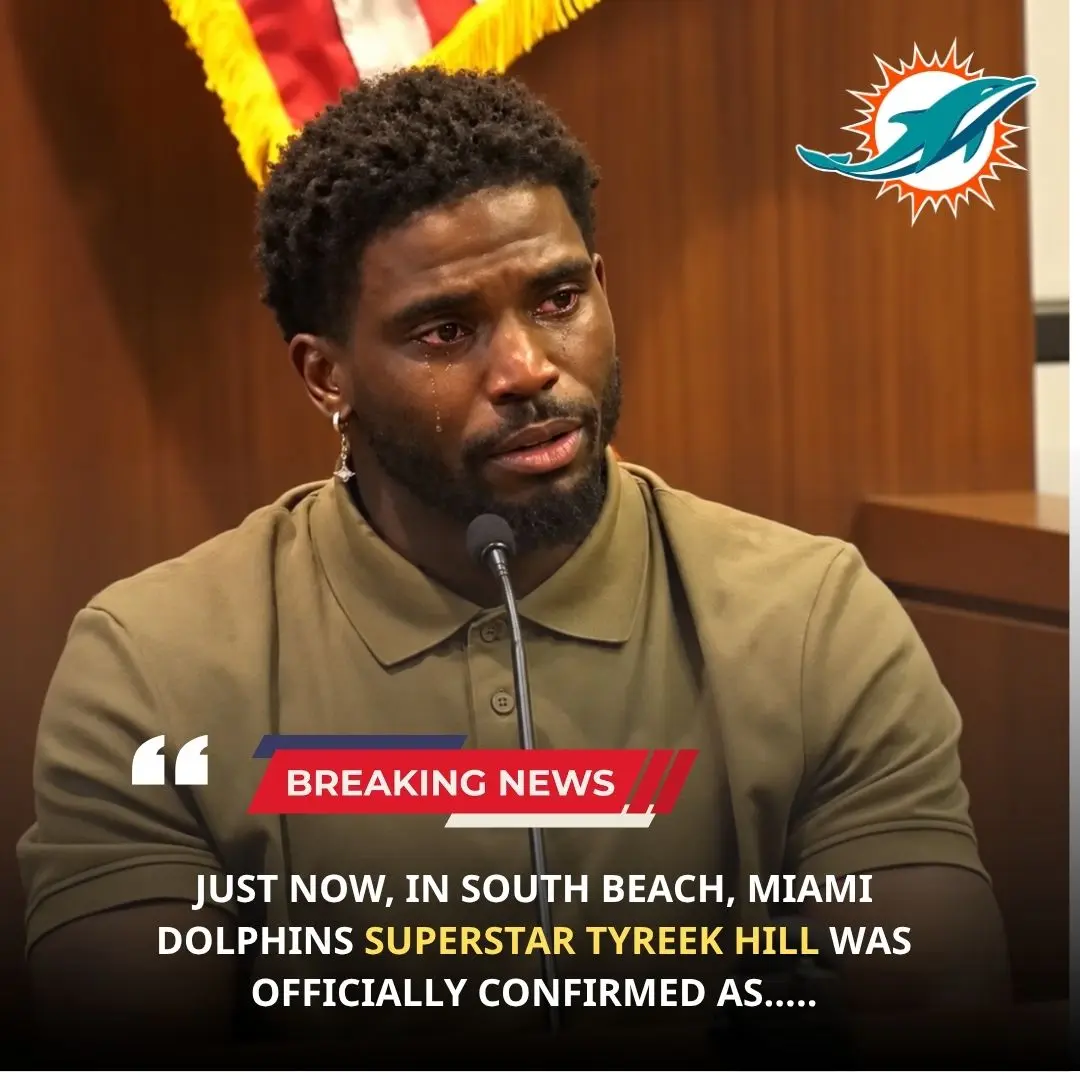
A Miami courtroom delivered a major development in the ongoing legal story surrounding former Dolphins wide receiver Tyreek Hill, as a jury found him liable for two counts of battery in a civil case brought by his estranged wife, Lakeeta Vaccaro. The verdict immediately raised questions about his future.
The six-person jury reached its decision after hearing testimony about two incidents, one from January 2024 and another from April 7, 2025. The case attracted widespread attention because Hill is a prominent NFL player whose career has been shaped by exceptional performances and significant public scrutiny.
According to reports from The Associated Press and Reuters, the jury awarded Vaccaro $500,000 in compensatory damages. However, the verdict was not a finding against Hill on every allegation presented during the trial, and the distinction remains important when understanding the outcome.
Jurors found Hill liable for two battery claims but rejected eight other claims, which included allegations involving battery, assault, and continuing domestic violence. They also declined to award punitive damages. The decision therefore represented a mixed verdict rather than a ruling that accepted every accusation brought against him.
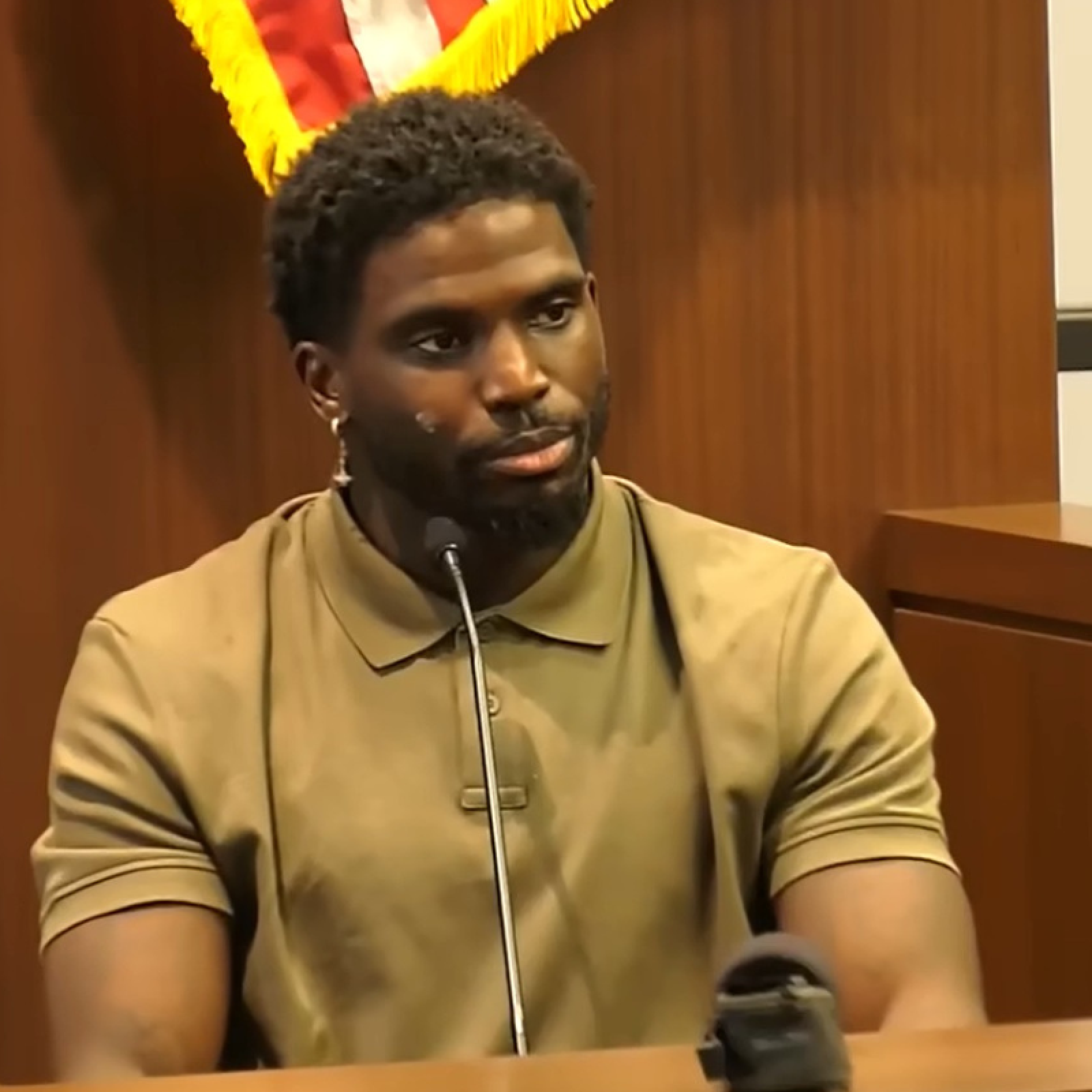
The proceedings involved competing accounts of the relationship and the incidents under examination. Vaccaro testified about her experiences, while Hill took the stand and disputed most of the allegations. The jury evaluated the evidence presented by both sides before reaching its decision.

Hill denied most of Vaccaro’s allegations during the trial, according to published accounts. He also acknowledged an incident in which he shoved her and damaged a wall. These details formed part of the testimony considered by jurors, although the final decision addressed individual claims separately.
The verdict has particular significance because Hill remains a recognizable figure in professional football. During his career, he established himself as an explosive receiver capable of changing games through speed, route running, and his ability to create opportunities after catching the ball.
Before joining Miami, Hill spent six seasons with the Kansas City Chiefs. He later became one of the Dolphins’ most prominent offensive players, recording substantial receiving totals and attracting attention from opposing defenses whenever he entered the field.
His achievements on the field, however, do not determine the outcome of a civil proceeding. The jury’s decision must be understood through the evidence and claims considered in court, rather than through Hill’s athletic reputation or the public’s expectations of a professional sports star.
Hill’s future in football had already become uncertain before the verdict. He suffered a serious knee injury in September 2025 while playing for Miami, including a dislocated knee and torn ligaments. His rehabilitation has been an important factor in determining when he might return to competition.
The Dolphins released Hill in February 2026 after he failed a physical, according to the team’s transaction records. The move ended his tenure in Miami and left him available to pursue another opportunity, subject to his health, contract discussions, and the interest of potential teams.
Hill is therefore no longer a member of the Dolphins, despite the enduring association between his name and the South Florida franchise. Any discussion describing him as a current Miami superstar should account for his release and his status as a free agent.
His agent, Drew Rosenhaus, had indicated that Hill was working toward a return and exploring potential opportunities with NFL teams. Following the civil verdict, however, the path forward became more complicated, with both his rehabilitation and the legal development likely to attract attention from interested organizations.
Rosenhaus said that nothing was imminent and that Hill continued rehabilitation with the goal of joining a team in the near future. That statement offered no confirmation of a contract, a scheduled return, or an agreement with any particular NFL franchise.
The verdict may prompt teams to examine the situation carefully before considering whether to pursue Hill. Organizations typically evaluate a player’s medical condition, expected contribution, financial requirements, and broader circumstances. The final decision belongs to each team, and no signing should be assumed without an announcement.
The NFL also has its own personal conduct policies, which can operate separately from a civil court case. Whether the league takes further action, and what form any action might take, cannot be established solely from the jury’s verdict. Any official disciplinary decision would require separate confirmation.
For fans, the development presents a complicated picture of a player whose football achievements have been accompanied by serious questions outside the game. Supporters may focus on his record as a receiver, while others will place greater emphasis on the court’s findings and their implications.
The case also highlights the distinction between a civil verdict and a criminal conviction. This proceeding concerned civil claims and financial compensation. The jury’s findings should be described accurately without suggesting that it convicted Hill of a criminal offense in this case.
As the situation develops, the confirmed facts remain central: the jury found Hill liable on two battery claims, awarded Vaccaro $500,000 in compensatory damages, rejected eight additional claims, and declined punitive damages. Those findings provide the clearest account of what the court officially decided.
For now, Hill’s football future remains unresolved. His recovery, potential interest from teams, and any subsequent decisions by the NFL could shape the next chapter of his career. Until an organization or league authority makes a formal announcement, claims of a confirmed comeback would be premature.