WORLD NEWS | FAITH & HUMANITY
❤️ HOPE AND HEALING: Pope Leo XIV’s Reported Message of Faith, Recovery, and a Promise to Help Hospital Patients Touches Hearts Around the World
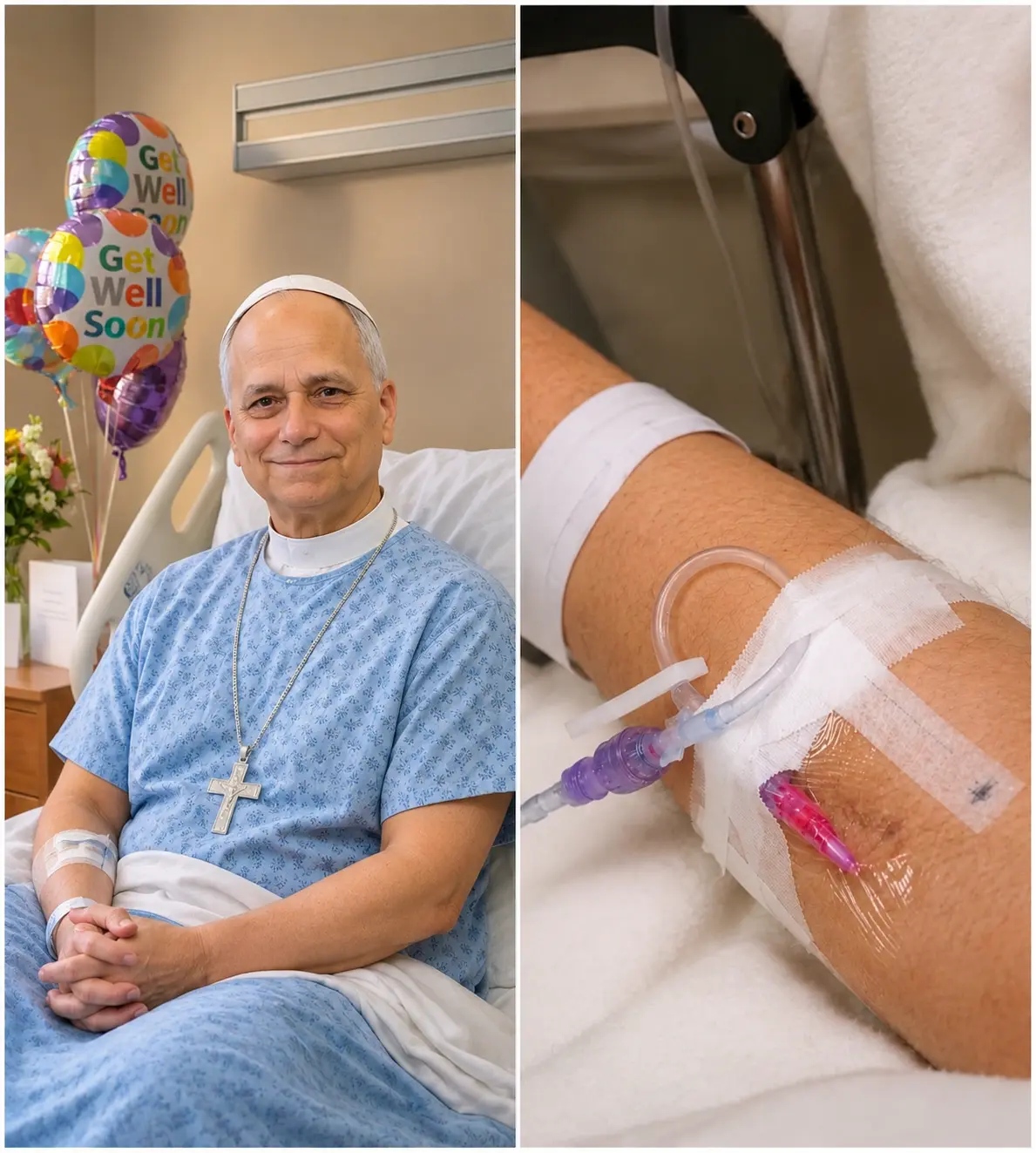
An uplifting message attributed to Pope Leo XIV has drawn attention for its themes of healing, gratitude, and charity. The statement describes a difficult recovery following surgery and a promise to organize a fundraising event for hospital patients. However, neither the reported surgery nor the quotation has been independently verified.
In a world frequently dominated by conflict, uncertainty, and troubling headlines, messages of compassion and hope can carry extraordinary emotional significance. That is especially true when such words are attributed to a spiritual leader whose voice reaches millions of people across national, cultural, and religious boundaries. A heartfelt statement circulating online and attributed to Pope Leo XIV has introduced a moving story of personal recovery, gratitude toward the faithful, and a commitment to helping patients facing their own medical challenges. The message describes a long road toward healing and promises a future charity event to support people receiving treatment at the hospital where the pontiff was supposedly cared for.
The words attributed to Pope Leo XIV are simple yet emotionally powerful: “The road to recovery is still long, but I believe in healing — through your love, faith, and prayers. After I’m fully recovered, I will hold a charity event to raise funds for patients at the hospital where I was treated.”
The statement has the qualities of a deeply personal message. It acknowledges vulnerability, expresses confidence in recovery, recognizes the spiritual support of others, and connects an individual's experience of suffering with a desire to help people facing similar difficulties. For readers, particularly those who have experienced illness themselves or supported loved ones through medical treatment, such sentiments may resonate profoundly.
Yet the circumstances surrounding the statement require careful distinction. The supplied account does not identify the date or nature of the alleged surgery, the hospital involved, or an official Vatican communication confirming the quotation. Without that evidence, the reported operation and charitable pledge cannot be presented as established developments in the Pope's life. The statement is best understood as an unverified message attributed to him, while its broader themes of compassion, healing, and service remain worthy of reflection.
A Message That Reflects the Power of Faith During Difficult Times
For centuries, the papacy has represented more than an administrative office within the Catholic Church. The Pope serves as a spiritual figure whose words and actions carry significance for Catholics around the world, while also attracting the attention of people from many other religious and cultural backgrounds.
Messages from the pontiff often address universal experiences: suffering, uncertainty, forgiveness, love, and the responsibility to care for others. When a message concerns illness or recovery, those themes become especially personal.
The reported words attributed to Pope Leo XIV reflect a familiar spiritual understanding of healing. They suggest that recovery is not simply a matter of waiting for physical strength to return but also involves emotional encouragement, patience, and connection with a supportive community.
For believers, prayer can provide a sense of solidarity during periods of uncertainty. It allows individuals separated by distance to express concern and compassion for someone experiencing hardship. Families gathered in churches, individuals praying quietly at home, and communities offering spiritual support can all find meaning in the belief that their concern contributes to a wider atmosphere of hope.
However, faith and medical care should not be understood as competing approaches to recovery. Modern medicine provides the clinical treatment, monitoring, and rehabilitation necessary for many patients, while spiritual practices may offer comfort and emotional support.
The strongest interpretation of the circulating message is therefore not that prayer replaces medical treatment, but that compassion and encouragement can accompany the practical work of healing.
The Human Meaning Behind a Long Recovery
One of the most striking phrases in the attributed statement is the acknowledgment that the road to recovery remains long.
Those words reflect an experience familiar to countless patients and families. Recovering from a serious illness or surgical procedure can involve uncertainty, fatigue, emotional challenges, and gradual improvements that may be difficult to recognize from day to day.
The recovery process differs significantly depending on the individual, the condition being treated, and the nature of any medical intervention. Some people regain their usual activities quickly, while others require extended rehabilitation, ongoing appointments, and careful adjustments to daily routines.
Because no verified medical information has been provided about Pope Leo XIV in connection with this claim, it would be inappropriate to speculate about his health, treatment, or prognosis.
Nevertheless, the broader idea of a long recovery has genuine emotional significance.
People undergoing medical treatment often discover that healing requires patience. Progress may not follow a predictable schedule, and physical improvement can occur alongside periods of discouragement.
Support from relatives, friends, caregivers, and community members can become particularly important during such times.
A simple message, a visit, a thoughtful gesture, or an expression of encouragement may remind a patient that they are not facing their circumstances alone.
That sense of connection lies at the heart of the reported papal statement.
A Promise of Charity That Places Patients at the Center
Perhaps the most moving element of the circulating message is its proposed charitable commitment.
According to the quotation, Pope Leo XIV intends to organize a fundraising event after recovering, with the proceeds benefiting patients at the hospital where he supposedly received treatment.
If such a pledge were officially confirmed, it would connect personal gratitude with a practical effort to help others.
Hospitals are places where extraordinary acts of care occur every day. Physicians, nurses, technicians, therapists, and support staff work together to provide treatment for people experiencing a wide range of medical difficulties.
Yet the challenges surrounding hospitalization extend beyond clinical care.
Patients and their families may face transportation expenses, lost income, accommodation costs, and other financial pressures. In some healthcare systems, the cost of treatment itself can create serious hardship.
Charitable support can help address these needs, depending on the organization and the way donations are administered.
Fundraising initiatives may contribute to patient assistance programs, specialized medical equipment, research, rehabilitation services, or other hospital-related priorities.
The specific purpose of the event mentioned in the circulating statement has not been documented. No verified fundraising date, organizing body, hospital beneficiary, or donation mechanism has been identified.
For that reason, readers should not interpret the quotation as an active fundraising appeal or send money to anyone claiming to collect donations on its behalf without confirming the legitimacy of the organization.
Still, the idea behind the reported pledge is meaningful: gratitude for receiving care can inspire a desire to make healthcare more accessible and supportive for others.
Pope Leo XIV and the Tradition of Christian Service
The themes of the attributed statement align with a long-standing emphasis within Catholic social teaching on compassion, solidarity, and service to people experiencing hardship.
Christian teachings frequently place the care of the sick, the poor, and the vulnerable at the center of moral responsibility.
The Gospel accounts describe Jesus responding to suffering with attention, mercy, and practical concern. These examples have inspired generations of religious communities to establish hospitals, shelters, charitable institutions, and other forms of assistance.
Within Catholic tradition, caring for people who are ill is commonly understood as an expression of faith in action.
That principle extends beyond offering comforting words. It encourages individuals and institutions to recognize the material needs of people who may lack sufficient resources or support.
The Church's charitable activities have taken many forms across history, from local parish initiatives to international humanitarian organizations.
Hospitals and healthcare institutions associated with Catholic communities have played important roles in providing medical services in many regions.
Against this background, the notion of a papal charity event for hospital patients carries a recognizable spiritual meaning, even though the specific event described in the circulating statement remains unverified.
It reflects the idea that personal experiences of hardship can deepen empathy and encourage service.
Why a Pope's Personal Words Can Resonate Worldwide
The emotional impact of a message attributed to a Pope is partly connected to the nature of his office.
The Catholic Church is a global institution with communities across Europe, the Americas, Africa, Asia, and Oceania. Its members represent diverse languages, cultures, and social circumstances.
Although they may live thousands of miles apart, many Catholics share a spiritual connection with the papacy.
When the Pope addresses subjects such as suffering, gratitude, or hope, his words can resonate across those differences.
The idea of a spiritual leader acknowledging vulnerability may be especially meaningful because religious authority is often associated with strength, wisdom, and reassurance.
Yet spiritual leadership does not eliminate the ordinary human experiences of aging, uncertainty, or physical limitation.
In Christian tradition, vulnerability is not necessarily viewed as a contradiction of leadership. It can also become an opportunity to demonstrate humility, patience, and solidarity with others.
That is one reason the attributed message has emotional appeal.
It presents a figure of global religious significance speaking in language that any patient or caregiver might recognize.
The statement does not focus on institutional authority or ceremonial responsibility. Instead, it emphasizes the simple human desire to recover and the wish to help others.
The Importance of Gratitude Toward Healthcare Workers
The reported promise to support patients at a hospital also invites reflection on the work of healthcare professionals.
Medical care depends on complex systems involving expertise, coordination, and sustained human effort.
Surgeons, physicians, nurses, pharmacists, rehabilitation specialists, laboratory professionals, and numerous other workers contribute to the treatment and recovery of patients.
Many of their responsibilities occur outside public view.
A nurse monitoring a patient through the night, a technician preparing essential equipment, or a rehabilitation specialist helping someone regain mobility may have a profound influence on a person's recovery.
Patients who experience compassionate care sometimes develop a lasting sense of gratitude toward the institutions and professionals who helped them.
That gratitude can take many forms.
Some individuals write letters of appreciation. Others volunteer, support patient programs, or contribute financially to hospital initiatives.
The circulating statement attributes a similar motivation to Pope Leo XIV, suggesting that receiving care inspired a desire to support other patients.
Although that personal experience has not been verified, the broader connection between gratitude and charitable action is familiar and meaningful.
Healing Is More Than a Medical Milestone
The word "healing" occupies a central place in the attributed quotation.
In everyday conversation, healing often refers to physical recovery from injury, illness, or surgery. But the concept also carries emotional, social, and spiritual meanings.
A person may recover physically while continuing to experience anxiety about the future.
A family may feel relief after a successful treatment while still processing the stress of a prolonged medical crisis.
Someone living with a chronic condition may understand healing not as the complete disappearance of illness but as finding stability, dignity, and a meaningful quality of life.
Religious communities often address these broader dimensions through pastoral care, prayer, companionship, and practical support.
Such efforts can complement professional medical treatment by helping people feel heard and valued.
The attributed papal statement brings these dimensions together through its emphasis on love, faith, and prayer.
Its emotional appeal comes from the suggestion that healing is not experienced in isolation.
People often draw strength from relationships, encouragement, and the knowledge that others care about their well-being.
The Role of Community in Times of Illness
Illness can alter the rhythm of everyday life.
Ordinary routines may become difficult, professional responsibilities may need to be postponed, and individuals may find themselves relying on others in unfamiliar ways.
For some patients, this dependence can be emotionally challenging.
They may worry about becoming a burden, losing independence, or facing an uncertain future.
Supportive communities can help reduce these feelings by offering assistance without judgment.
Within religious settings, that support may include prayer groups, pastoral visits, meal deliveries, transportation assistance, or fundraising for families facing financial difficulties.
Similar forms of care exist in secular communities, neighborhood organizations, and informal networks of friends and relatives.
What connects these different efforts is the recognition that people experiencing hardship benefit from practical kindness and emotional reassurance.
The circulating statement's reference to the love and prayers of the faithful expresses this sense of collective support.
Rather than presenting recovery as an entirely individual achievement, it describes healing as something surrounded by the concern of others.
A Charity Event Could Have Meaning Beyond Fundraising
If a hospital-focused charity event attributed to Pope Leo XIV were ever officially announced, its significance could extend beyond the amount of money raised.
Public charitable initiatives can draw attention to needs that are otherwise overlooked.
A fundraising event may introduce audiences to the challenges faced by patients with limited financial resources, families caring for seriously ill relatives, or hospitals working to improve essential services.
It can also encourage individuals to contribute according to their circumstances.
Not everyone can make a large financial donation, but charitable participation can include volunteering, sharing verified information, supporting local healthcare programs, or offering practical assistance to someone receiving treatment.
The most effective initiatives generally provide clear information about their beneficiaries, financial management, and intended use of donations.
Transparency is especially important when a fundraising appeal is associated with a prominent public figure.
The use of a Pope's name can create immediate trust among believers, making verification essential before any contribution is made.
An authentic Vatican-supported initiative would be expected to have identifiable official communications and appropriate organizational details.
Until those exist, the event described in the circulating statement should be regarded as a reported intention rather than a confirmed charitable program.
Compassion Across Religious and Cultural Boundaries
Although the message is attributed to the leader of the Catholic Church, its central themes are not limited to Catholic audiences.
The desire for healing, the experience of gratitude, and the responsibility to help people in need are widely shared human concerns.
Different religious traditions express these values through their own teachings, practices, and institutions.
Secular humanitarian organizations also emphasize the importance of dignity, mutual support, and access to healthcare.
This shared ethical foundation helps explain why stories about charity and recovery can resonate with diverse audiences.
A person does not need to share the Pope's religious beliefs to appreciate the importance of helping hospital patients.
Likewise, someone who does not practice a religion may still understand the emotional significance of receiving encouragement during a difficult medical experience.
The attributed statement therefore invites a broader reflection on how compassion can connect people across differences.
Its most universal idea is that receiving kindness can inspire individuals to extend kindness to others.
Why Verification Matters Even for Uplifting Stories
Positive stories can provide a welcome contrast to troubling news, but their emotional appeal does not remove the need for factual accuracy.
Indeed, uplifting claims involving respected religious leaders may spread especially quickly because readers want to believe them.
A message about recovery and charity feels reassuring. It offers hope, suggests a happy outcome, and presents a model of generosity.
But if the quotation has not been authenticated, presenting it as an official papal statement could mislead the faithful.
The same concern applies to claims about medical treatment.
A reported surgery involving the Pope would be a significant development that should be supported by credible information from the Holy See or other reliable sources.
Without such confirmation, describing him as recovering from an operation risks creating an inaccurate impression about his health.
The responsible approach is to separate the message's moral themes from the unverified circumstances attributed to the person who supposedly delivered it.
Readers can appreciate the values expressed in a quotation without assuming that its attribution is authentic.
This distinction protects both the public's understanding and the reputation of the individual involved.
A Broader Reminder of the Needs of Hospital Patients
Regardless of whether the circulating statement is ultimately authenticated, it draws attention to an important reality: many patients and families need support beyond medical treatment.
Serious illness can place pressure on household finances, employment, caregiving arrangements, and emotional well-being.
Families may spend long hours traveling to medical appointments or remaining near hospitalized loved ones.
Some patients experience loneliness, especially when treatment separates them from familiar communities.
Others face uncertainty about rehabilitation, long-term care, or their ability to return to ordinary activities.
Hospitals and charitable organizations often work to address these challenges through social services, counseling, patient assistance programs, and community partnerships.
Public attention to these needs can encourage meaningful action.
People inspired by the themes of the attributed message can support established healthcare charities, volunteer in their communities, or offer practical assistance to individuals they know.
Such actions do not depend on the authenticity of a particular celebrity or religious announcement.
They reflect a broader commitment to compassion that can be practiced in everyday life.
The Spiritual Meaning of Turning Suffering Into Service
One of the most enduring ideas within Christian spirituality is that difficult experiences can deepen a person's understanding of the suffering of others.
This does not mean that illness should be romanticized or that hardship is inherently beneficial.
Pain and medical uncertainty can be frightening, exhausting, and deeply disruptive.
But some individuals emerge from difficult experiences with a renewed commitment to helping people who face similar challenges.
A former patient may become a volunteer. A family that received support during a crisis may later contribute to the same organization. Someone who experienced loneliness during hospitalization may begin visiting others who lack companionship.
The attributed statement presents this transformation through the promise of a future charity event.
It suggests that the experience of receiving care could become the motivation for providing care to others.
That idea carries emotional weight because it connects gratitude with responsibility.
Rather than treating recovery as the conclusion of a personal journey, it imagines recovery as the beginning of an opportunity to serve.
Hope, Responsibility, and the Road Ahead
The story attributed to Pope Leo XIV combines several themes that continue to matter in a world facing complex healthcare and humanitarian challenges.
It speaks of patience during recovery, gratitude for encouragement, faith during uncertainty, and concern for patients who may need assistance.
Those ideas are meaningful regardless of the status of the specific quotation.
At the same time, the central factual questions remain unanswered.
There is no authenticated information in the supplied account identifying the alleged surgery, the hospital where treatment supposedly occurred, or the circumstances in which the Pope reportedly delivered the message.
There is also no confirmed announcement establishing a future fundraising event.
Until official documentation becomes available, these claims should not be described as established news.
For Catholics seeking reliable information about Pope Leo XIV, official Vatican communications remain the appropriate source for statements concerning his health, public activities, and charitable initiatives.
For readers moved by the message's emphasis on helping patients, established local hospitals and reputable healthcare charities offer practical ways to turn compassion into action.
A Message of Humanity That Extends Beyond the Headline
The emotional power of the circulating statement lies in its portrayal of hope joined with generosity.
It imagines a person facing the challenges of recovery while looking beyond personal suffering toward the needs of others.
That image resonates because it reflects a deeply human aspiration: to find strength during difficult times and use that strength to make life better for someone else.
For people facing illness, the idea of being surrounded by love and encouragement can provide comfort.
For families supporting patients, it can serve as a reminder that their presence and practical assistance matter.
For healthcare professionals, it recognizes the importance of compassionate care.
And for communities, it highlights the value of ensuring that vulnerable people are not forgotten.
Whether or not the quotation is eventually verified as an authentic statement from Pope Leo XIV, these principles remain important.
Faith can inspire service. Gratitude can encourage generosity. Communities can help people endure difficult experiences. And charitable action can transform concern into practical support.
The story's most constructive lesson is therefore not dependent on a dramatic medical announcement or an unconfirmed promise of a fundraising event.
It is the recognition that compassion becomes most meaningful when expressed through action.
As readers reflect on the message attributed to Pope Leo XIV, the appropriate response is both hopeful and discerning: hopeful about the power of care and solidarity, and discerning about claims that have not yet been substantiated.
A genuine announcement from the Vatican would provide the clarity needed to understand whether the reported surgery and charitable pledge are real.
Until then, the quotation remains unverified, but the values it expresses offer a worthwhile reminder of the responsibility to care for those who are sick, vulnerable, or in need.
Because the most enduring expression of faith is not simply the hope that healing will come, but the willingness to stand beside those who are still waiting for it.
Editorial note: The alleged surgery, recovery statement, and hospital fundraising pledge attributed to Pope Leo XIV have not been independently verified. The quotation supplied in the original account should not be treated as an authenticated Vatican statement.