 “WE ARE TRULY SPEECHLESS… ALL OUR THOUGHTS ARE WITH YOU!” — Catholic World Responds to Painful Announcement Concerning Pope Leo XIV
In the moments since a deeply painful announcement regarding Pope Leo XIV, a wave of messages expressing support and condolences has spread throughout the Catholic world. Bishops, priests, religious communities, and ordinary faithful have filled social media, parish bulletins, and private prayer groups with expressions of solidarity, many echoing the same stunned sentiment: “We are truly speechless… all our thoughts are with you.”
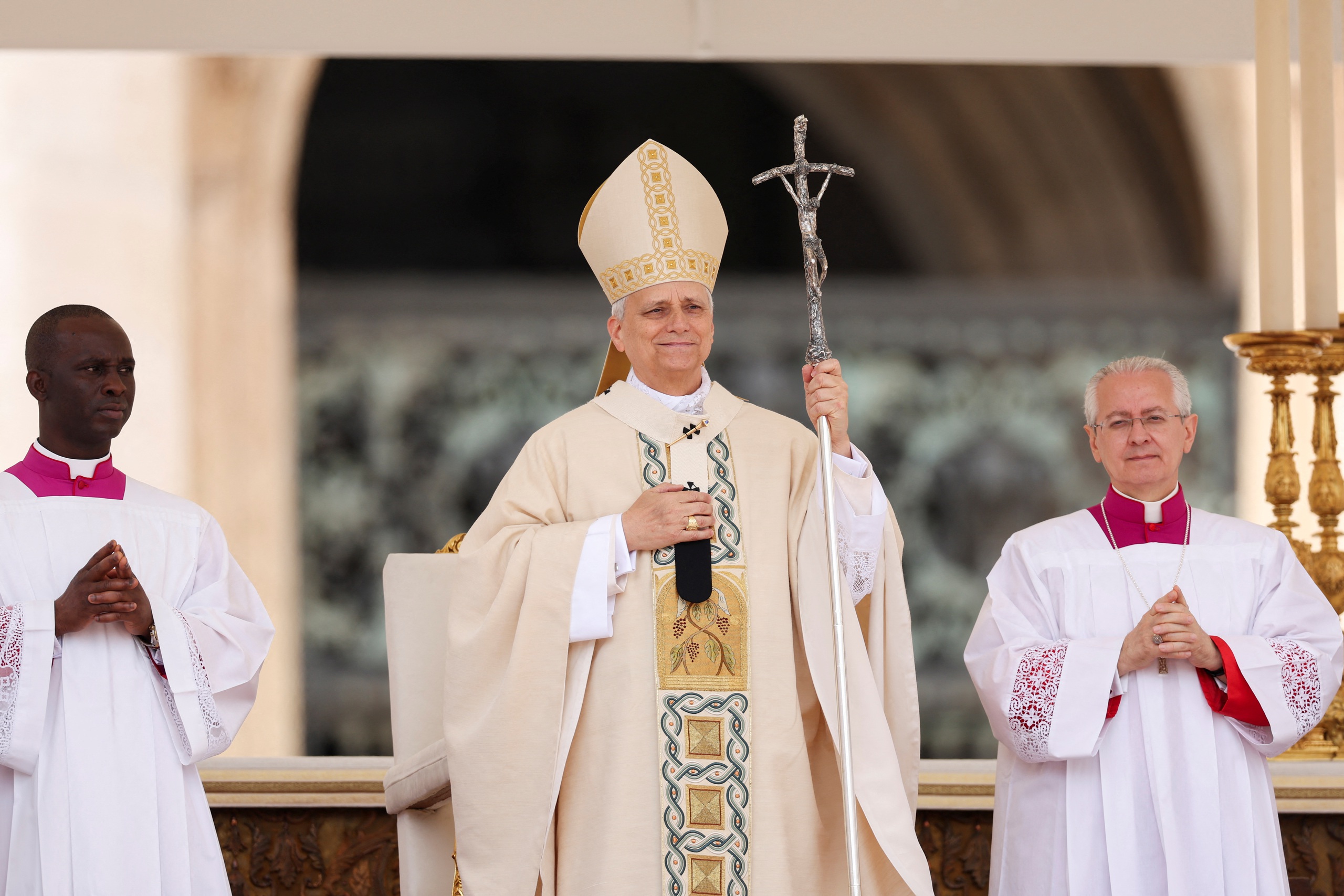 The announcement, released through the Holy See Press Office earlier today, confirmed that Pope Leo XIV has received a serious medical diagnosis requiring immediate and sustained treatment. While the Vatican has not disclosed the precise nature of the condition, officials described it as significant enough to necessitate a marked reduction in the pope’s public activities for the foreseeable future. The statement emphasized that the pontiff remains lucid, prayerful, and fully engaged in the essential governance of the Church, yet the news has nevertheless struck many Catholics as both sudden and deeply unsettling.
Within minutes of the release, messages began arriving from every continent. The president of the Italian Episcopal Conference issued a brief note calling for “fervent and continuous prayer.” Similar statements followed from episcopal conferences in the United States, Brazil, the Philippines, Nigeria, and Poland. Cardinals who participated in the 2025 conclave that elected Leo XIV described him as a pastor of quiet strength and asked the faithful not to lose heart. On X and other platforms, the phrase “All our thoughts are with you, Holy Father” trended in multiple languages alongside images of candles lit in churches and homes.
In Rome, the atmosphere around St. Peter’s Square grew noticeably quieter as word spread. Small clusters of pilgrims who had come for the afternoon paused to pray the Rosary. Several priests staffing the basilica reported that visitors were asking for special blessings and Mass intentions for the pope’s health. The bells of nearby churches rang at an unscheduled hour, a traditional sign of communal concern. Vatican employees, many of whom interact with the pope only occasionally, spoke in hushed tones in the corridors of the Apostolic Palace, expressing both worry and admiration for his decision to share the news personally rather than through intermediaries alone.
The Holy See has asked media outlets to respect the pope’s privacy regarding medical details and has indicated that further updates will be provided only if there are substantial changes in his condition. Treatment is expected to take place primarily within Vatican facilities, allowing Leo XIV to remain close to the work of the Curia. Several planned international journeys have already been postponed, and the format of upcoming general audiences is under review. Officials stressed, however, that no discussion of resignation has taken place and that the pope intends to continue exercising his ministry to the fullest extent his health permits.
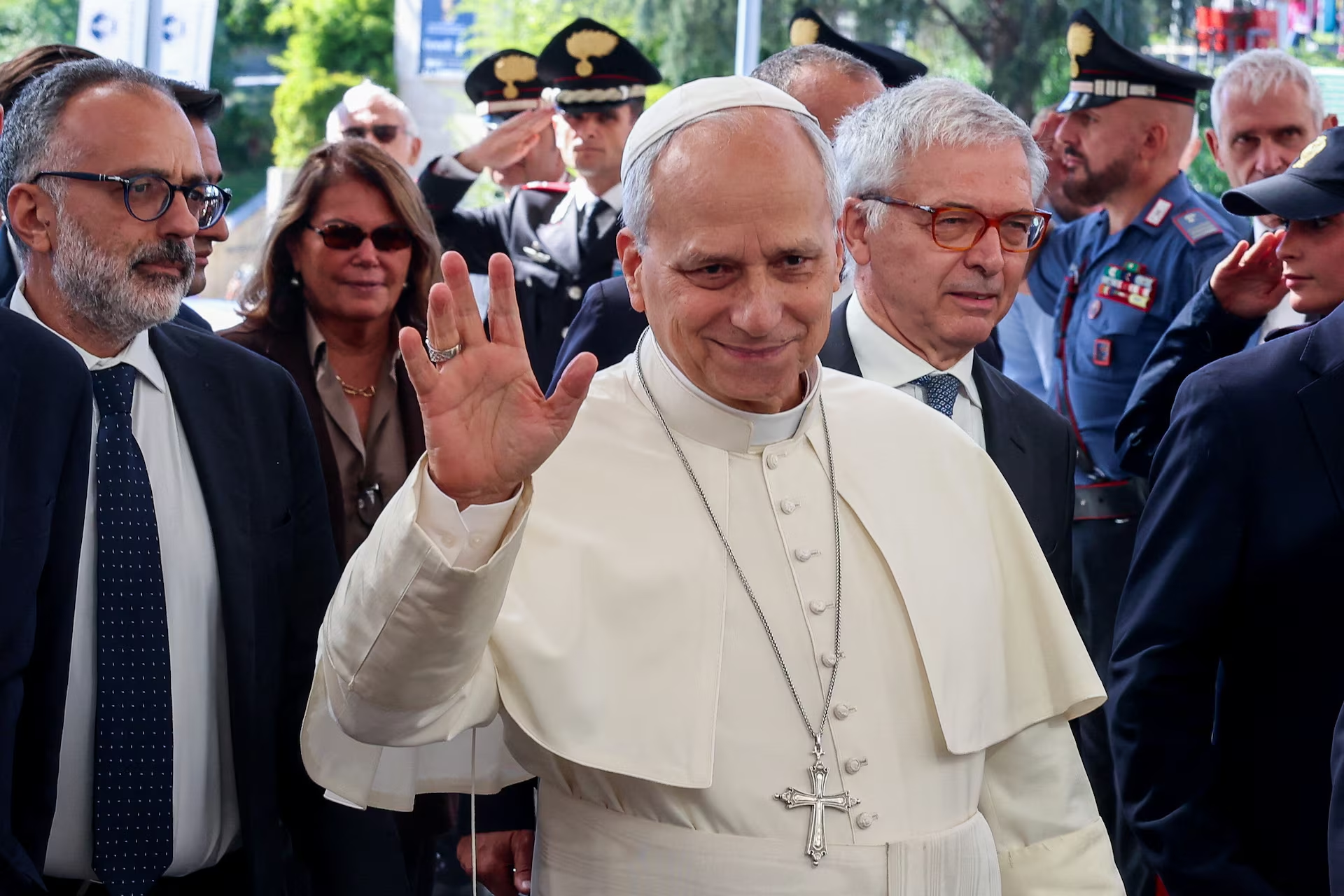
Among the faithful, reactions have mixed sorrow with steadfast support. Parish priests in multiple countries reported that evening Masses included an extended Prayer of the Faithful for the pope. Online prayer chains formed rapidly, with participants committing to daily Rosaries, Eucharistic adoration, and fasting. Catholic media outlets shifted their schedules to carry continuous coverage, interviews with theologians about the Church’s history of popes facing illness, and invitations to communal prayer. Many commentators noted that Leo XIV’s relatively open communication style—evident since the beginning of his pontificate—made the directness of the announcement consistent with his pastoral approach, even as it amplified the emotional impact.
Medical professionals unaffiliated with the Vatican cautioned against speculation, reminding the public that numerous serious conditions are now managed effectively with contemporary care. They also underscored the importance of allowing the pope and his physicians to proceed without the added pressure of constant public conjecture. The Holy See’s restrained communication strategy appears designed to balance transparency with the dignity and privacy owed to any patient, including the Bishop of Rome.
As night fell over Vatican City, lights remained visible in the papal apartments. Sources close to the situation said the pope spent part of the evening in prayer and in quiet conversation with a small number of close collaborators. He is expected to rest in the coming days while beginning the prescribed course of treatment. No additional medical bulletins are anticipated in the immediate term.
For millions of Catholics, the news has served as a stark reminder of the humanity of the Successor of Peter. The rapid, global response of prayer and messages of support reflects both the affection many feel for Leo XIV and the instinctive solidarity that has long characterized the Church in moments of trial. Whether in grand basilicas or small village chapels, the same simple petition is being offered tonight: that the Holy Father may be granted strength, peace, and healing, and that the Church may continue to be guided with wisdom during this time of concern.
The coming weeks will bring further clarity about the pope’s treatment and schedule. For now, the Catholic world waits, prays, and repeats the words that have already circled the globe: “We are truly speechless… all our thoughts are with you.”
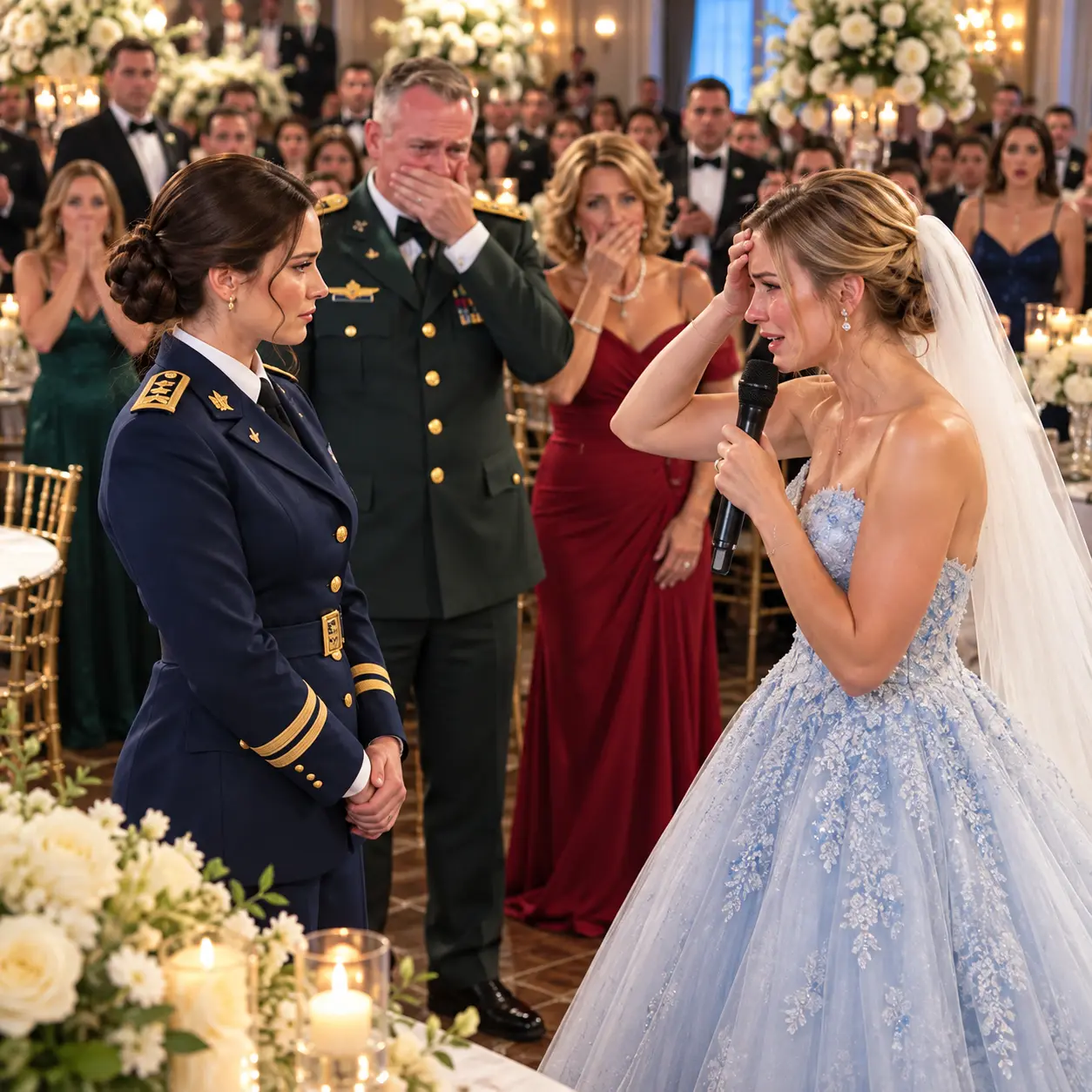
Clare unfolded the paper slowly, her fingers trembling beneath the chandelier lights. Two hundred and fifty guests watched in silence, unaware that the next words would destroy my father's carefully constructed world.
“Ladies and gentlemen,” she began, “before we celebrate my marriage, I need to recognize someone whose courage, sacrifice, and love have shaped my life more than anyone in this room.”
My father shifted in his chair. Margaret's smile tightened. Richard Hail leaned forward, clearly expecting some sentimental family announcement that would soon return the spotlight to Gerald Ulette.
Clare looked directly at me.
“Fifteen years ago, my sister was forced to leave our home because she chose to serve her country instead of surrendering her dreams.”
A murmur traveled across the ballroom. My father stood abruptly, his chair scraping against the polished floor. Clare raised one hand, stopping him before he could speak.
“Dad, please sit down. You've had fifteen years to tell your version of this story. Tonight, for the first time, everyone is going to hear the truth.”
The room became so quiet that I could hear the soft mechanical hum of the chandeliers above us. My father remained standing, his face slowly turning crimson.
Clare continued.
“When Evelyn left, I was fifteen. I watched her carry one suitcase down our driveway while our father told her she would never amount to anything.”
My throat tightened. I had never known Clare remembered those exact words. I had spent years trying to forget them, burying them beneath training, deployments, and responsibilities.
“But she did amount to something,” Clare said. “Something extraordinary. And today, I refuse to let anyone in this family pretend otherwise.”
She lifted the document higher.
“Three months ago, my sister received another promotion. Tonight, I want everyone here to recognize Major General Evelyn Ulette of the United States Air Force.”
For a heartbeat, nothing moved.
Then someone near the front gasped.
A retired colonel seated beside the groom's parents stood so quickly that his napkin fell to the floor.
“Major General?” he whispered.
Clare smiled through tears.
“Yes. My sister. The woman our father just called a charity case.”
The first applause came from David's grandfather, a retired Army officer whose hands were shaking as he rose from his chair.
Then another guest stood.
Then another.
Within seconds, the entire ballroom erupted into applause.
But Clare wasn't finished.
She straightened her shoulders, brought her right hand sharply to her forehead, and gave me a salute.
It wasn't perfect military form. Her fingers trembled, and her wedding veil slipped slightly across her shoulder.
But it was the most beautiful salute I had ever received.
I stood slowly.
For fifteen years, I had imagined seeing my father again. I had rehearsed speeches, arguments, accusations, and explanations during countless sleepless nights.
Never once had I imagined this.
I returned Clare's salute.
And the room exploded.
People rose from their chairs, some applauding, others wiping their eyes. A few guests began recording, but I barely noticed.
My father was still standing.
Only now, nobody was looking at him.
Margaret grabbed his sleeve.
“Gerald,” she whispered urgently. “Do something.”
He opened his mouth, but Clare spoke first.
“And there's something else everyone deserves to know.”
The applause faded.
I looked at my sister, suddenly uneasy.
“Clare,” I whispered.
She couldn't hear me.
Or perhaps she had decided that, for once, I wasn't going to protect everyone else from the truth.
“When I was seventeen,” she said, “I received a scholarship to study nursing. Dad refused to let me accept it.”
Gerald's face changed.
“Clare, that's enough.”
She ignored him.
“He said nursing was beneath this family. He wanted me to study business, marry someone respectable, and stop embarrassing him with ridiculous ambitions.”
David reached for her hand.
“But I wanted to help people,” Clare continued. “And the only person who supported me was my sister.”
My heart began pounding.
She opened the kraft envelope again and removed a smaller stack of papers.
“These are copies of tuition payments, apartment deposits, and emergency expenses. Evelyn paid them while she was serving overseas.”
A collective gasp swept through the room.
I closed my eyes.
“Clare, please.”
But she continued.
“She sent money when I couldn't afford groceries. She paid my final semester when Dad threatened to cut me off. She never asked for anything back.”
Richard Hail lowered his glass.
Margaret looked toward the exit.
My father stared at the papers as though they were evidence of a crime.
“That's impossible,” he said.
Clare turned toward him.
“Why? Because you told everyone she was broke?”
Several guests exchanged uncomfortable looks.
“Or because you told me she didn't care about us?”
Gerald's jaw tightened.
“I supported you for years.”
“Yes,” Clare answered. “And every dollar came with conditions.”
The words struck him harder than any insult.
For a moment, I saw something unfamiliar in his expression.
Fear.
Not fear of losing me.
He had already done that.
Fear of losing the admiration of the people surrounding him.
Clare placed the documents on the podium.
“And there's one more thing.”
My stomach dropped.
I knew that tone.
It was the same voice she had used as a teenager whenever she was about to reveal a secret she had been carrying too long.
“Six years ago, my father told everyone that Evelyn had refused to attend my college graduation.”
Gerald looked away.
“But she was there.”
I remembered that afternoon.
I had arrived straight from an overseas assignment, exhausted and still wearing the uniform I had traveled in.
I sat near the back of the auditorium, watching Clare cross the stage.
Afterward, I waited outside with flowers.
 My father found me before she did.
He told me Clare didn't want to see me.
I believed him.
So I left the flowers with a campus security officer and drove away.
Clare's voice broke.
“She came. She brought flowers. And Dad sent her away.”
I looked at my father.
He wouldn't meet my eyes.
That hurt more than I expected.
Not because I still needed his approval.
Because even after everything, some small part of me had hoped he might finally tell the truth.
Clare stepped away from the microphone.
For one suspended moment, nobody moved.
Then David took her hand and whispered something.
She nodded.
“Evelyn,” she said softly, “would you come up here?”
I wanted to refuse.
I wanted to disappear through the kitchen doors and return to the quiet life I had built without this family.
But my sister was standing beneath the lights, waiting for me.
And fifteen years ago, I had promised her something through that bedroom window.
I had promised I would always come back if she needed me.
So I walked.
The ballroom seemed impossibly long.
Guests stepped aside as I passed. Some smiled. Others lowered their eyes, embarrassed by the comments they had laughed at earlier.
Richard Hail suddenly became fascinated by his cufflinks.
Margaret turned her back.
My father remained frozen beside table one.
As I passed him, he caught my wrist.
“Evelyn,” he hissed, “you need to stop this.”
I looked down at his hand.
“Let go.”
He tightened his grip.
“You're humiliating me.”
I leaned closer.
“No, Dad. You're finally hearing yourself.”
His fingers released me.
I continued toward the stage.
Clare descended the steps before I reached them, gathering her dress in both hands.
She threw her arms around me.
For a moment, we were no longer two grown women surrounded by wealthy strangers.
We were twenty-two and fifteen again.
One sister leaving.
One sister begging her not to go.
“I missed you,” Clare whispered.
“I know.”
“I should have fought harder.”
I held her tighter.
“You were a child.”
She began crying.
“I thought if I stayed quiet, he would eventually let you come home.”
I swallowed.
“Home isn't a place where love has to be earned.”
She pulled back, looking at me through tears.
“Then I want to build a different kind of home.”
David joined us.
He extended his hand.
“General Ulette,” he said, smiling nervously, “it's an honor.”
I shook my head.
“Tonight, I'm just Evelyn.”
“Good,” he replied. “Because Clare has talked about you since our second date, and I've been waiting years to meet the woman who taught her courage.”
That nearly broke me.
Clare handed me the microphone.
I stared at it.
I had addressed military formations, delivered difficult news to grieving families, and spoken before rooms filled with senior officers.
But standing before these wedding guests, I suddenly couldn't find a single word.
Finally, I looked toward my father.
He stood alone.
Margaret had moved several feet away.
Richard was pretending to check his phone.
And I realized something.
For fifteen years, I had believed my father's rejection was the worst thing that had ever happened to me.
But perhaps the worst thing would have been staying.
“I didn't come here tonight to embarrass anyone,” I began.
The room fell silent.
“I came because my little sister asked me to.”
Clare squeezed my hand.
“When I left home fifteen years ago, I thought I had lost everything. My family, my security, my future, and the people who were supposed to love me.”
My voice trembled.
“But I discovered something along the way.”
I looked across the room.
“Family isn't defined by who shares your last name. It's defined by who stands beside you when standing beside you costs something.”
A woman near the front wiped her eyes.
“I've served with extraordinary people. I've watched strangers risk their lives for one another. I've seen courage in places where nobody expected hope to survive.”
I turned toward Clare.
“And tonight, I see that same courage in my sister.”
She shook her head, crying harder.
“You don't need a uniform to be brave,” I continued. “Sometimes courage means standing in a room full of people and telling the truth.”
The applause began again.
But I raised my hand.
“There is something else I want to say.”
My father finally looked at me.
I could see the calculation in his eyes.
He was searching for a way to regain control.
I didn't give him one.
“Dad, I spent years believing that if I became successful enough, decorated enough, or important enough, you might finally be proud of me.”
His expression softened for the first time.
Perhaps he thought I was about to ask for reconciliation.
“But somewhere along the way,” I said, “I stopped needing you to be proud.”
His face hardened.
“I became proud of myself.”
The room was silent.
“And I want Clare to know that she never has to spend her marriage trying to earn love from someone who uses it as a weapon.”
David placed an arm around her.
“Love should make you feel safe,” I said. “Not indebted.”
I handed the microphone back.
Then my father did something nobody expected.
He walked toward the stage.
For one terrible second, I thought he might create another scene.
Instead, he stopped at the bottom step.
“Evelyn,” he said.
His voice was suddenly small.
“I didn't know.”
I stared at him.
“You didn't know what?”
“That you'd become…”
He gestured helplessly toward the room.
“All this.”
And there it was.
Not an apology.
Not regret for abandoning his daughter.
Just astonishment that the daughter he rejected had become someone important.
I stepped closer.
“Dad, I was already someone when you threw me out.”
His eyes flickered.
“I was your daughter.”
Nobody applauded.
Nobody moved.
Some truths are too heavy for applause.
Gerald looked down.
For the first time in my life, he seemed unable to find a response that would restore his authority.
“I made mistakes,” he whispered.
“Yes,” I answered.
He swallowed.
“Can we talk?”
I looked at Clare.
Her eyes were filled with hope, but she didn't interfere.
I turned back to him.
“Not tonight.”
His shoulders dropped.
“Tonight belongs to Clare.”
I walked away before he could answer.
The band began playing again, cautiously at first, as though the musicians were unsure whether celebration was still permitted.
Then David took Clare's hand.
The newlyweds stepped onto the dance floor.
And the room slowly remembered why everyone had gathered.
I returned to table twenty-two.
But my place card was gone.
In its place stood a new one.
Major General Evelyn Ulette.
Beside it was a handwritten note.
You were never a guest. You were always my family.
I recognized Clare's handwriting immediately.
My eyes filled.
A waiter approached.
“Ma'am,” he said, “the bride asked whether you'd prefer to join the family table.”
I looked toward the head table.
Clare was watching me.
Smiling.
Waiting.
For fifteen years, I had imagined what returning to my family might look like.
I thought it would require forgiveness, explanations, or some extraordinary achievement capable of changing my father's mind.
But as I walked toward my sister, I finally understood.
I hadn't returned to win my place.
I had returned because someone had kept it for me.
Later that evening, when the music softened and guests began leaving, my father approached once more.
He carried no audience with him.
No Margaret.
No Richard.
No expensive speech about loyalty.
Just a folded photograph.
He held it out.
It showed Clare and me sitting on the front porch when we were children.
I was holding a toy airplane.
Clare was asleep against my shoulder.
“I kept this,” he said quietly.
I studied the photograph.
For years, I had believed every image of me had disappeared.
“Why?”
He looked toward the empty dance floor.
“Because I couldn't throw it away.”
I waited.
He took a breath.
“I was wrong.”
Three words.
Fifteen years late.
They didn't erase the locked doors, the missed birthdays, or the lonely nights when I wondered whether my family remembered me.
But they were words I had once believed I would never hear.
“Thank you for saying that,” I replied.
He looked hopeful.
“Does that mean—”
“It means I heard you.”
His expression changed.
“Forgiveness takes time, Dad. Trust takes longer.”
He nodded slowly.
For once, he didn't argue.
As he walked away, I felt something unexpected.
Not triumph.
Not revenge.
Relief.
I no longer needed to defeat my father to prove that he had been wrong.
My life had already done that.
Outside, the night air was cool.
Clare appeared beside me, barefoot now, carrying her wedding shoes in one hand.
“Are you leaving?” she asked.
“Soon.”
She slipped her arm through mine.
“Will you come for Thanksgiving?”
I smiled.
“Are you cooking?”
“David is.”
“Then absolutely.”
She laughed.
The sound carried across the empty terrace.
It was the same laugh I remembered from the little girl who used to sneak into my bedroom during thunderstorms.
Only now, neither of us was afraid.
Before returning inside, Clare stopped and looked at me.
“Evelyn?”
“Yes?”
“I'm proud of you.”
I felt tears finally spill down my cheeks.
Not because a ballroom had stood to applaud.
Not because my father had been humiliated.
Not because the world finally knew my rank.
But because the little girl at the bedroom window had grown into a woman who understood something our father never had.
Love was never supposed to be a reward for obedience.
It was supposed to be a place where you could finally put down your armor.
I hugged her beneath the stars.
And for the first time in fifteen years, I didn't feel like the daughter who had been thrown away.
I felt like the sister who had come home.
The following morning, I found a message waiting on my phone.
It was from Clare.
A photograph of us standing together beneath the wedding lights.
Underneath, she had written:
You spent your life bringing people home. Last night, I finally got to bring you home.
I sat on the edge of my hotel bed, reading those words until the screen blurred.
Then I opened my suitcase.
Inside, carefully folded beneath my uniform, was the one thing I had carried through every deployment.
An old photograph of two sisters sitting on a porch.
One holding a toy airplane.
The other sleeping peacefully against her shoulder.
I placed the photographs side by side.
Fifteen years separated them.
Fifteen years of silence, sacrifice, heartbreak, and survival.
But the love between those two girls had never disappeared.
And that was when I understood the greatest victory of my life.
It wasn't the stars on my shoulders.
It wasn't the medals locked inside my office.
It wasn't the applause of two hundred and fifty strangers.
It was discovering that the family I thought I had lost had never entirely stopped loving me.
My father had spent fifteen years trying to erase my name.
My sister had spoken it into a microphone.
And when the entire room stood, I finally realized something that changed everything.
I had never needed my father's permission to become someone worth honoring.
I had been worthy of love long before the world learned to salute me.
And sometimes, the most powerful homecoming isn't returning to the house that rejected you. It's finding the person who never stopped leaving the light on.
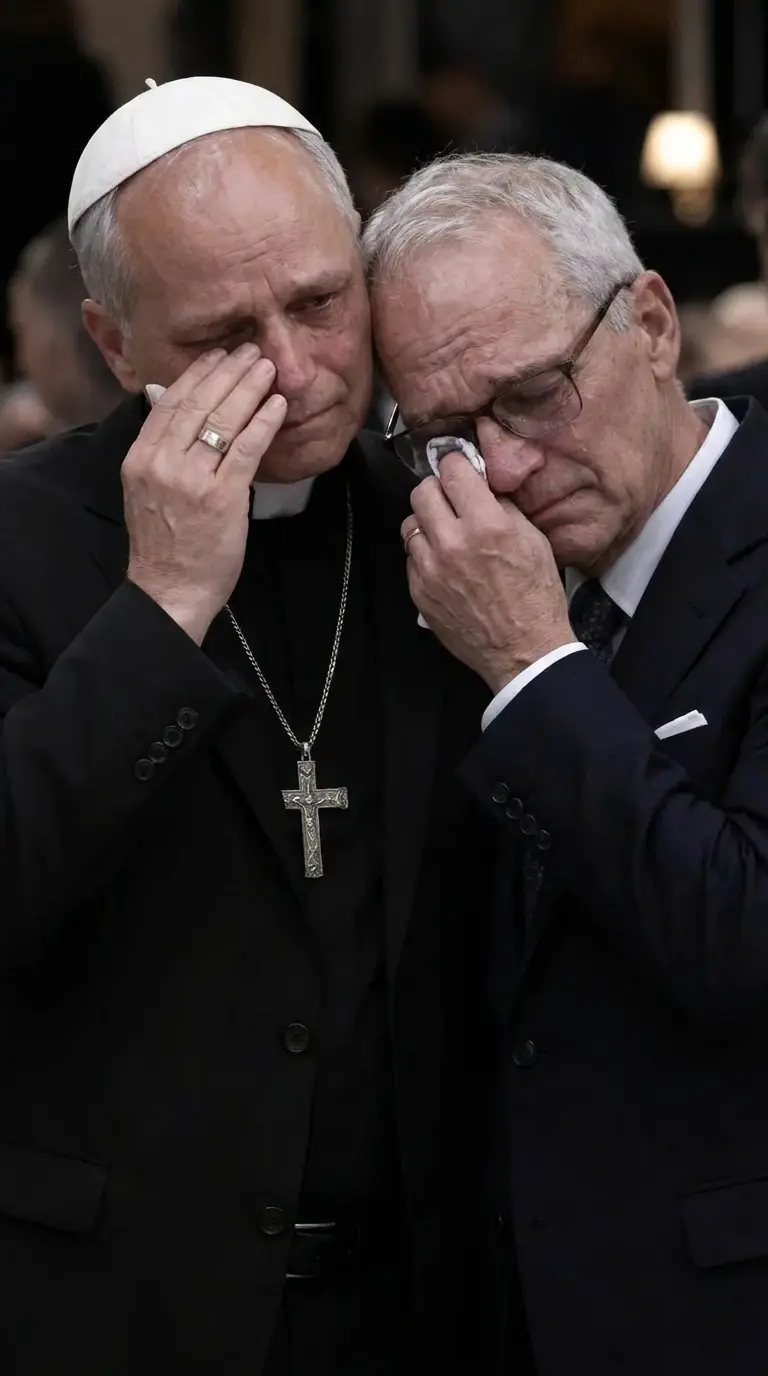
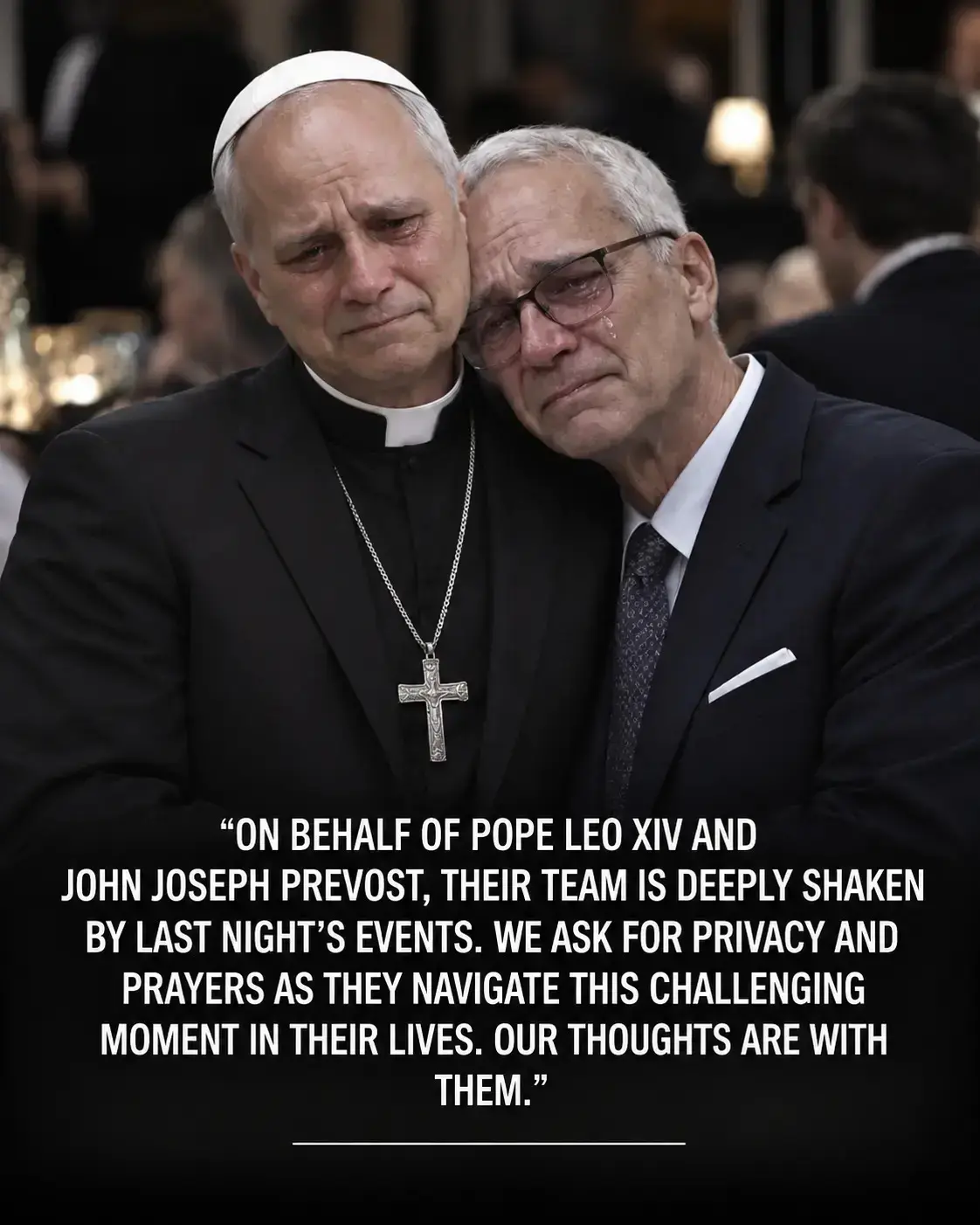
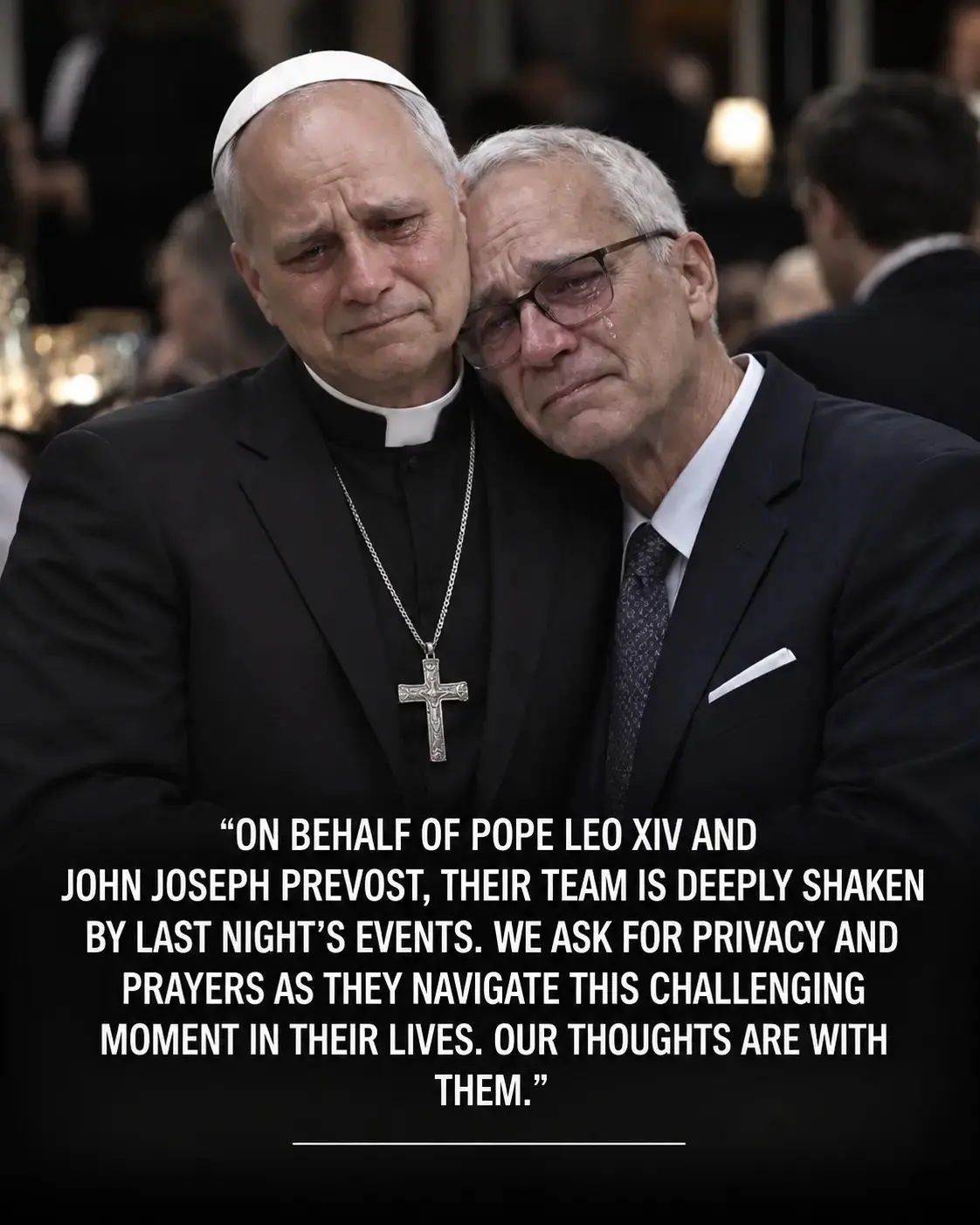 💔✝️ HEARTBREAK ACROSS THE CATHOLIC WORLD: POPE LEO XIV'S FAMILY STORY WITH OLDER BROTHER JOHN JOSEPH PREVOST REVEALS THE QUIET POWER OF BROTHERLY LOVE, FAITH, AND SACRIFICE 🙏❤️
 VATICAN CITY — Behind the historic election of Pope Leo XIV stands a deeply personal family story, one that began far from the grandeur of St. Peter's Basilica. At its heart is John Joseph Prevost, the pope's older brother, a retired American educator whose memories of their childhood reveal the extraordinary bond between two men whose lives took remarkably different paths.