
🚨 JUST 30 MINUTES AGO: STACEY JONES MAKES A MAJOR STATEMENT AHEAD OF THE WORLD CUP FINAL AGAINST AUSTRALIA — HIS WORDS SEND A POWERFUL MESSAGE TO THE RUGBY LEAGUE WORLD!
The pressure is building, the expectations are enormous, and the biggest challenge of the tournament is now just around the corner. New Zealand head coach Stacey Jones has spoken out ahead of the highly anticipated Rugby League World Cup final against Australia, delivering a message that reflects the confidence, determination, and ambition growing inside the Kiwis camp.
With a world championship on the line, Jones knows that his players are approaching one of the most important matches of their international careers. Facing Australia in a World Cup final is never an ordinary assignment. The rivalry between these two rugby league nations carries decades of history, national pride, and unforgettable moments.
For New Zealand, this upcoming encounter represents an opportunity to turn months of preparation into something truly historic.
Speaking ahead of Sunday's showdown, Jones expressed confidence in the team's recent development and preparation. He explained that the players had been improving with every match and that training had been particularly encouraging. According to the coach, the squad had been ticking the necessary boxes and making sure everything was in place before the decisive contest.
Those comments offer an important insight into the atmosphere surrounding the New Zealand camp.
Rather than allowing the pressure of a World Cup final to overwhelm the group, Jones appears focused on maintaining discipline, concentration, and belief. His message is straightforward: the Kiwis have worked hard to reach this stage, and they must now trust the preparation that brought them here.
But there is a significant reason why this particular final carries so much emotional weight.
New Zealand and Australia have already faced each other during this tournament. Their opening encounter produced a thrilling contest, with the Kangaroos eventually securing a narrow 24–22 victory. That result demonstrated just how closely matched the two sides can be when they meet at the highest level.
For Jones and his players, the final offers an opportunity to respond.
The Kiwis have demonstrated considerable resilience since that opening defeat. They progressed through the tournament with victories over the Cook Islands, Fiji, and Tonga, gradually building momentum as the competition reached its decisive stages.
Their semifinal performance against Tonga was particularly important. New Zealand secured a 34–12 victory, overcoming a determined opponent and showing their ability to adjust when the match became physically demanding.
That performance helped establish the Kiwis as serious contenders for the championship.
One of the biggest talking points surrounding New Zealand's campaign has been the return of superstar fullback Kalyn Ponga. His recovery from a broken forearm and subsequent return to the squad have provided an important boost to the team's ambitions.
Ponga has been one of the tournament's most closely watched players. His attacking instincts, creativity, and ability to produce decisive moments make him a major threat to any opposition.
However, Jones understands that winning a World Cup final requires much more than individual brilliance.
The entire squad must contribute. The forwards must establish control, the defensive structure must remain disciplined, and the attacking players must take advantage of opportunities when they appear.
Against Australia, even the smallest mistakes can become extremely costly.
The Kangaroos have built their reputation on consistency, physical strength, and their ability to perform when the stakes are highest. Their experience in major international competitions makes them particularly dangerous opponents.
Australia also enters the final with considerable confidence following an impressive semifinal victory over Samoa.
For the Kiwis, the challenge will be finding ways to disrupt Australia's rhythm while maintaining their own attacking identity.
Jones has spent considerable time preparing his players for precisely this type of challenge. The coaching staff will have analyzed the opening encounter, identified areas requiring improvement, and worked on strategies designed to give New Zealand a stronger opportunity in the rematch.
The coach's recent comments suggest that preparation has been encouraging.
However, the atmosphere surrounding the final is about much more than tactics.
For New Zealand supporters, this match represents an opportunity to celebrate their national rugby league identity and potentially witness another unforgettable chapter in the country's sporting history.
The Kiwis have won the Rugby League World Cup only once, achieving that historic triumph in 2008. Since then, supporters have continued waiting for another opportunity to see their national team lift the trophy.
Now, that opportunity is within reach.
The players understand what victory would mean to their families, supporters, and the wider rugby league community. A championship would represent the culmination of years of dedication, sacrifice, and commitment to representing their country.
For Jones, the responsibility is equally significant.
As head coach, he must ensure that his players remain mentally prepared while managing the enormous expectations surrounding the final. He knows that emotional energy can become an advantage, but only when it is supported by concentration and discipline.
The challenge is to turn excitement into performance.
There will be moments when Australia applies pressure. There will be periods when New Zealand must defend for extended stretches. There may also be opportunities when one decisive attacking movement changes the entire direction of the contest.
How the Kiwis respond to those situations could determine the outcome.
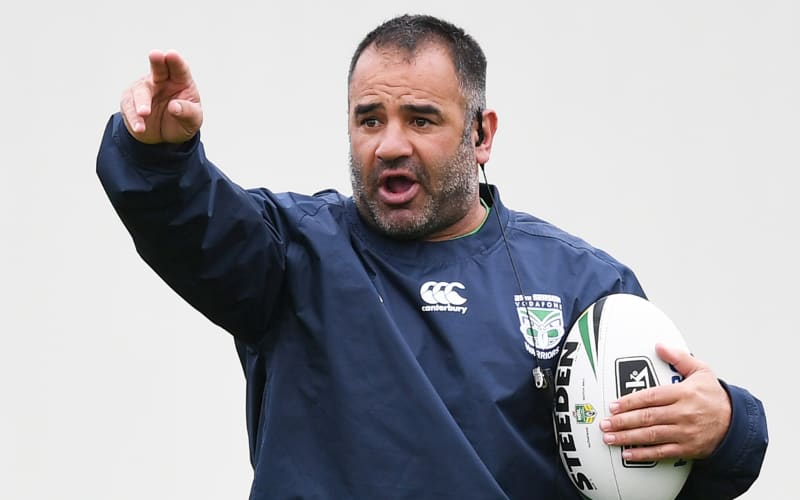
Another important factor will be the performance of the forward pack. New Zealand possesses players capable of generating significant physical momentum, and their ability to establish dominance could create valuable opportunities for the team's attacking stars.
If the forwards deliver the performance Jones expects, players such as Ponga could have more space to influence the game.
That possibility will undoubtedly concern the Australian coaching staff.
Nevertheless, the Kangaroos will arrive determined to defend their position as one of international rugby league's most successful teams. They understand the importance of controlling possession, limiting errors, and taking advantage of every opportunity.
For both nations, the margin between victory and disappointment could be extremely narrow.
As the countdown continues, attention remains firmly focused on Jones and the decisions he will make before kickoff. His confidence in the preparation process provides an encouraging message for New Zealand supporters, but the ultimate test will take place on the field.
The players must now deliver.
The upcoming final is expected to attract enormous attention from rugby league fans across Australia, New Zealand, and beyond. Supporters are preparing for another chapter in one of international sport's most passionate rivalries.
And while the pressure continues to grow, Jones appears determined to keep his team focused on the task ahead.
His message is ultimately about belief, preparation, and collective responsibility.
New Zealand has already overcome significant challenges to reach the final. Now, the team stands one victory away from achieving something that would be remembered for generations.
One final. Two fierce rivals. One world championship.
On Sunday, the Kiwis will have their opportunity to answer Australia's opening-match victory and fight for a place in rugby league history.
For Stacey Jones and his players, the mission is clear: finish what they started and bring the World Cup trophy back to New Zealand.