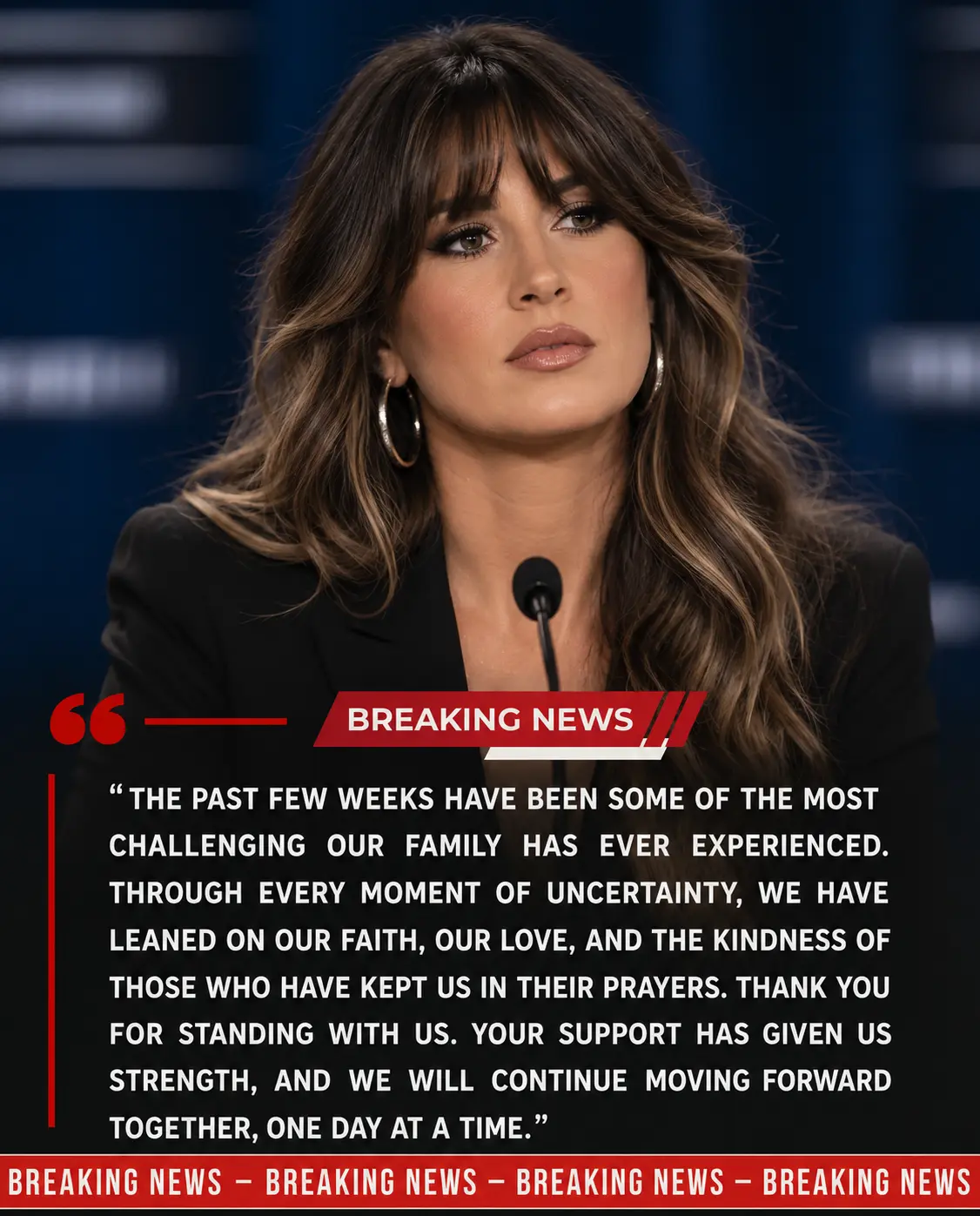
💔 BREAKING HEARTS IN COUNTRY MUSIC: ELLA LANGLEY, HER FAMILY, AND AN IMAGINED EMOTIONAL MOMENT THAT REVEALS THE POWER OF LOVE, LOYALTY, AND STRENGTH BEHIND THE SPOTLIGHT 😢🎸❤️
For country music fans, Ella Langley represents something increasingly rare in modern entertainment: an artist whose unmistakable voice, fearless personality, and deeply personal songwriting make audiences feel as though they are listening to someone they have known their entire lives.
Her rise through the country music industry has been extraordinary.
From her Alabama roots to the bright lights of Nashville, Langley has built a reputation as one of the most compelling voices in contemporary country music.
Her songs explore heartbreak, independence, complicated relationships, and the courage required to keep moving forward.
But behind the excitement of her growing success lies a reality that every performer eventually encounters.
No matter how brightly the spotlight shines, family and personal relationships remain essential parts of life.
And in this imagined emotional story, an unexpected message brings Ella face to face with a difficult question.
What happens when the demands of an extraordinary career suddenly seem less important than being present for the people who have supported you from the very beginning?

The fictional scene begins on a quiet evening in Nashville.
Ella has just finished a demanding rehearsal.
Her guitar rests beside a chair, handwritten lyrics are scattered across a nearby table, and the last notes of a song seem to linger in the room.
Outside, the city continues moving.
Cars pass through downtown streets.
Musicians prepare for late-night performances.
And countless aspiring artists chase the same dream that once brought Ella to Tennessee.
But inside the rehearsal room, the atmosphere suddenly changes.
Her phone begins to ring.
The name on the screen belongs to a family member.
Ella answers with her familiar warmth, expecting an ordinary conversation.
Instead, she hears a tired voice explaining that someone close to the family has been going through a difficult period and needs additional support.
The fictional message contains no specific medical diagnosis, accident, or death.
It is simply news that someone she loves is struggling.
For a moment, Ella says nothing.
She sits down, looking toward the guitar that has accompanied so many important moments in her career.
The contrast is overwhelming.
Only minutes earlier, she had been thinking about music, performances, and professional responsibilities.
Now, her thoughts are focused entirely on home.
In this imagined scene, she quietly asks what she can do.
The answer is simple.
Be present.
That request becomes the emotional center of the story.
For many people, family support is measured through everyday actions rather than dramatic gestures.
A telephone call.
A visit.
A conversation that lasts longer than expected.
Or the reassurance that someone is available during an uncertain time.
Those moments rarely attract public attention.
But they can become more meaningful than professional recognition.
For Ella, whose career has required dedication and persistence, the imagined situation creates a familiar conflict.
How does someone balance the responsibilities of a growing career with the needs of loved ones?
The question is especially relevant to musicians.
Life on the road can involve long periods away from home.
Recording sessions demand concentration.
Promotional commitments fill calendars.
And the pressure to maintain momentum can make even brief breaks feel difficult.
Yet the people who support artists often remain important long before fame arrives.

Ella's real-life journey began in Alabama, where her Southern upbringing helped shape her musical identity.
Country music became a natural language through which she could express emotion.
Her songs frequently draw on recognizable experiences: complicated love, disappointment, independence, and the determination to move forward.
Those themes have helped her connect with listeners who appreciate storytelling grounded in everyday life.
Her collaboration with Riley Green on "You Look Like You Love Me" brought widespread attention to her distinctive sound.
The song introduced many new listeners to her music and helped establish her as an increasingly prominent figure in country entertainment.
But success does not happen overnight.
For artists pursuing careers in Nashville, the journey can involve years of uncertainty.
Performing for small audiences.
Writing songs that may never be released.
Working with other musicians.
And learning how to maintain confidence when opportunities seem distant.
The road to recognition can be demanding.
For Ella, her Alabama background remains an important part of her public identity.
Her music reflects the traditions and storytelling culture associated with Southern country music.
That connection to home makes the imagined family-centered story particularly meaningful.
In the fictional Nashville rehearsal room, Ella begins remembering the people who encouraged her before audiences knew her name.
She thinks about early performances.
Long drives.
Moments of uncertainty.
And the reassurance that came from having people who believed in her ambitions.
The memories remind her that success is rarely achieved entirely alone.
Behind many performers are relatives, friends, teachers, and mentors who offer support during difficult periods.
They may not appear in music videos.
They may never attend an awards ceremony.
And their contributions may remain unknown to the public.
But their encouragement can be essential.
In this imagined story, Ella realizes that she wants to offer the same support to someone who once helped her.
She contacts her team and explains that she needs time to address a private family matter.
The fictional conversation is calm and respectful.
No dramatic confrontation takes place.
No one demands that she choose between her career and her family.
Instead, those around her recognize that personal responsibilities sometimes require attention.
This is where the imagined response from her inner circle becomes especially meaningful.
Rather than focusing entirely on professional schedules, her fictional team encourages her to prioritize the people who need her.
A close friend offers to help rearrange commitments.
Another promises to handle practical arrangements.
And someone reminds her that an artist's well-being matters beyond the success of any single performance.
Their support is quiet.
There are no cameras recording the conversations.
No public statement announcing a crisis.
And no attempt to transform a private difficulty into publicity.
The fictional moment illustrates a simple principle.
True loyalty is often revealed not when everything is going well, but when someone needs understanding, patience, and support.
For Ella, that realization becomes more important than the professional concerns occupying her thoughts earlier in the evening.
She begins preparing to return home.
As she packs a small bag, she notices a notebook filled with unfinished lyrics.
One page contains ideas about gratitude.
Another explores the feeling of missing someone.
And a third includes fragments of a song about finding strength through difficult circumstances.
The lyrics are fictional and are not presented as an actual unreleased Ella Langley song.
But their themes reflect the emotional storytelling that has long defined country music.
For generations, country artists have turned personal experiences into songs that resonate with ordinary listeners.
Family relationships.
Heartbreak.
Loss.
Hope.
And the complicated process of growing older.
These themes are powerful because they are universal.
A listener does not need to understand the entertainment industry to recognize the importance of being present for a loved one.
A person does not need to be famous to experience the conflict between professional obligations and family responsibilities.
And someone does not need to stand on a concert stage to understand how difficult uncertainty can feel.
In the fictional story, Ella returns to Alabama the following day.
The familiar landscape brings a sense of comfort.
Quiet roads stretch between small communities.
The pace of life feels different from the demands of Nashville.
And memories of her earlier years begin returning.
When she arrives, her family welcomes her warmly.
There is no dramatic hospital scene.
No invented medical revelation.
And no secret tragedy.
Instead, the family gathers around a kitchen table to discuss how they can support someone experiencing a difficult period.
They talk about practical responsibilities.
They consider who can help with everyday tasks.
And they make plans to remain connected.
Ella listens carefully.
In this imagined moment, she realizes that being present does not always require finding perfect words.
Sometimes, the most important thing is simply making time.
Her family appreciates the gesture.
But they also remind her that her music matters.
They do not want her to abandon her ambitions.
They want her to understand that personal relationships and professional success do not have to compete for every moment of attention.
That message becomes an important turning point.
Throughout her career, Ella has pursued opportunities requiring persistence and sacrifice.
She has worked to develop her sound.
She has performed for growing audiences.
And she has experienced the excitement of seeing listeners connect with her music.
Those achievements deserve celebration.
But they are not the only measure of a meaningful life.
The fictional experience encourages her to think differently about success.
A sold-out concert can be extraordinary.
A chart achievement can represent years of hard work.
And a major award can recognize artistic excellence.
Yet none of those accomplishments replaces the value of a supportive relationship.
In the imagined story, Ella spends the evening talking with her family.
They share memories.
They laugh about moments from her childhood.
And they acknowledge the uncertainty that brought them together.
The atmosphere is emotional, but not hopeless.
There is concern.
There is affection.
And there is a shared determination to face the situation together.
That balance reflects an important reality.
Difficult circumstances do not always produce dramatic confrontations.
Often, they reveal the quiet strength of ordinary relationships.
The following morning, Ella takes a walk outside.
She thinks about the responsibilities waiting for her in Nashville.
New music.
Upcoming performances.
And the continuing challenge of building a sustainable career.
But she also thinks about the importance of maintaining connections beyond the stage.
For a performer, public recognition can become overwhelming.
Fans may feel personally connected to songs.
Social media can generate constant attention.
And professional success may create expectations that are difficult to escape.
Yet private life deserves boundaries.
A musician should be able to support loved ones without having every family difficulty turned into a public spectacle.
This distinction is especially important in celebrity coverage.
A vague social media post should not automatically become evidence of tragedy.
A canceled appearance does not necessarily indicate a medical emergency.
And an emotional photograph cannot establish what someone is experiencing privately.
Respecting those limits allows audiences to appreciate artists without inventing suffering.
Ella's real career already offers a compelling story of ambition and determination.
She has developed a recognizable musical identity.
She has built an audience through her performances and recordings.
And she continues to represent a generation of country artists bringing personal storytelling to contemporary music.
Those achievements provide meaningful material for fans to celebrate.
There is no need to fabricate a family death, hospitalization, or devastating announcement to make her journey emotionally engaging.
In this fictional reflection, the most significant development is not a shocking revelation.
It is a change in perspective.
Ella recognizes that professional ambition becomes more sustainable when supported by meaningful relationships.
She understands that accepting help does not diminish independence.
And she appreciates that the people who stood beside her before fame remain important as her career evolves.
As the imagined visit concludes, Ella prepares to return to Nashville.
Before leaving, she embraces her family.
The moment is quiet.
No audience applauds.
No television camera records the scene.
And no dramatic music plays in the background.
But for Ella, it represents something more enduring than a public celebration.
The reassurance that love and loyalty can remain constant even as circumstances change.
Later, back in Nashville, she opens her notebook again.
This time, the words come more easily.
She begins developing a fictional song about the importance of remembering where you came from.
The imagined lyrics explore gratitude, responsibility, and the comfort of knowing that home remains a place of belonging.
Whether such a song would ever become a recording is irrelevant.
The emotional significance lies in the experience that inspired it.
Country music has always possessed a remarkable ability to transform ordinary moments into meaningful stories.
A family conversation can become a song about loyalty.
A difficult goodbye can inspire a reflection on love.
And a quiet journey home can remind someone of the relationships that shaped their identity.
For Ella Langley, those themes align naturally with the storytelling traditions that have influenced her music.
The most powerful lesson of this imagined family moment is that strength is not always demonstrated through independence or professional achievement. Sometimes, it is revealed through the willingness to show up for someone who needs you.
As Ella's career continues, fans will celebrate new songs, performances, and milestones.
They will admire her distinctive voice.
They will follow her musical evolution.
And they will recognize the determination that helped her build a place in country music.
But this fictional story offers another perspective.
Behind every public success is a human life shaped by relationships, responsibilities, and personal priorities.
Fame can create extraordinary opportunities.
Yet it cannot replace family affection.
Professional recognition can bring satisfaction.
But it does not eliminate the importance of being present for others.
And even the brightest stage lights cannot illuminate every meaningful moment in someone's life.
In the end, the imagined response from Ella's inner circle is not shocking because of an extraordinary secret.
It is moving because of its simplicity.
When someone needs support, the people who care make time.
They listen.
They help.
And they remind one another that no difficult moment has to be faced entirely alone.
Because sometimes the greatest expression of love is not found in a song performed before thousands — but in the quiet decision to stand beside family when the spotlight fades. 💔🎸❤️
BREAKING: Country music legend Ella Langley and her family are reportedly facing heartbreaking news — and the response from her inner circle has left fans shocked and deeply emotional…