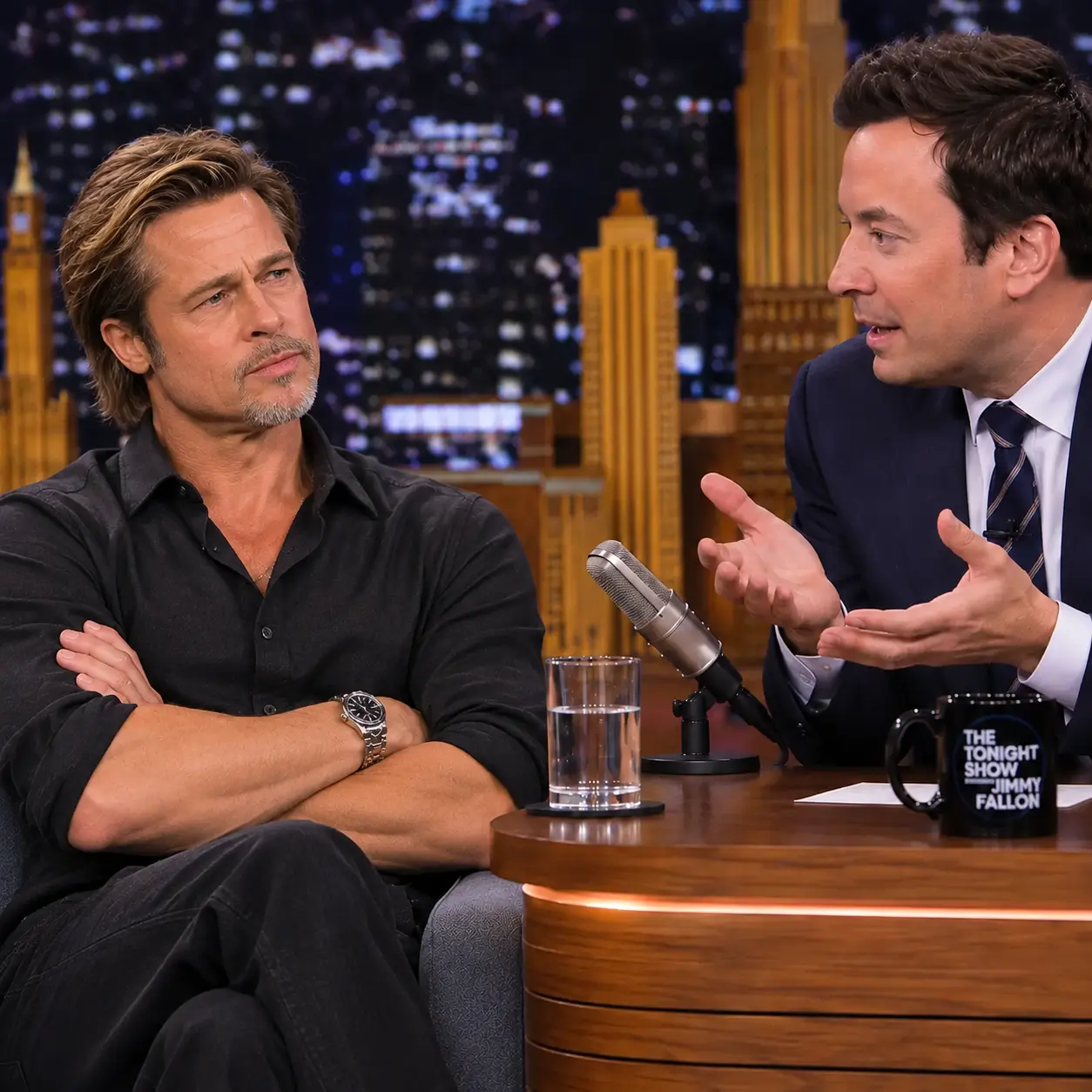
🚨💔 BOMBSHELL BREAKING: SYLVESTER STALLONE'S HEARTBREAKING CONFESSION LEAVES HOLLYWOOD SPEECHLESS — THE EMOTIONAL WORDS ABOUT LOVE, FAMILY, AND LIFE BEHIND THE SPOTLIGHT THAT COULD MOVE MILLIONS TO TEARS! 😭🎬
The Moment Hollywood Never Expected
For more than five decades, Sylvester Stallone has represented strength, determination, and the extraordinary ability to overcome life's most difficult challenges.
From the unforgettable boxing rings of Rocky to the dangerous battlefields of Rambo, the Hollywood legend has built an extraordinary career portraying men who refuse to surrender.
But in this imagined emotional scenario, the 80-year-old actor finds himself confronting something no movie script could ever fully prepare him for.
Not an opponent.
Not a dangerous mission.
Not another battle for Hollywood success.
Instead, Stallone faces a deeply personal realization about time, family, love, and the sacrifices that come with spending a lifetime in the spotlight.
In a fictional private interview, the legendary actor unexpectedly lowers his head, struggles to control his emotions, and shares a confession that reveals a completely different side of the man millions have admired for generations.
The atmosphere becomes unusually quiet.
The cameras continue recording.
But the powerful screen presence audiences have known for decades suddenly gives way to something far more vulnerable.
And the words that follow form the emotional heart of this imagined story.
Behind the Legend Is a Man Who Has Known Pain
Sylvester Stallone's journey to international stardom was never an easy one.
Long before Hollywood celebrated him as an action superstar, he experienced rejection, financial hardship, and uncertainty about whether his dreams would ever become reality.
His breakthrough came with Rocky in 1976, a film that transformed his career and introduced audiences to one of cinema's most enduring characters.
Rocky Balboa was more than a fictional boxer.
He represented the determination of ordinary people struggling against overwhelming odds.
That message resonated with audiences around the world.
But while Stallone's professional achievements grew, his personal life also carried difficult experiences.
Like many people who spend decades pursuing ambitious careers, he faced the challenge of balancing professional commitments with family responsibilities.
The demands of filming, traveling, promoting movies, and maintaining a public identity could be enormous.
In this fictional account, those sacrifices become the focus of a deeply emotional reflection.
Stallone begins to consider not what he accomplished, but what he may have missed along the way.
A Confession That Changes the Atmosphere
The imagined interview begins with familiar questions about his legendary career.
The interviewer asks about his favorite movies, his most memorable performances, and the secret behind his remarkable longevity in Hollywood.
At first, Stallone responds with the confidence and humor audiences might expect.
But then the conversation turns toward family.
His expression changes.
He pauses.
For several seconds, he looks down at his hands.
In the fictional scene, the interviewer gently asks whether there is anything Stallone wishes he could change about the past.
The actor takes a deep breath.
Then he offers an imagined confession:
"I spent so many years trying to become somebody that sometimes I forgot how important it was simply to be there for the people who already loved me."
The room falls silent.
There is no dramatic music.
No elaborate announcement.
Only a man reflecting on the passage of time.
He continues, describing how success can create the illusion that there will always be another opportunity to make up for missed moments.
Another birthday.
Another family dinner.
Another quiet evening at home.
But time, he realizes, does not always wait.
The Woman Who Has Shared His Journey
An important part of Stallone's public life has been his relationship with Jennifer Flavin.
The couple married in 1997 and have three daughters together: Sophia, Sistine, and Scarlet.
Their family has experienced moments of celebration and challenges under the scrutiny of public attention.
In this fictional narrative, Jennifer becomes central to Stallone's reflections about loyalty and companionship.
He remembers the years when professional responsibilities demanded enormous amounts of his attention.
He recalls returning home exhausted after long filming schedules.
And he thinks about the countless ordinary moments that often become more meaningful with age.
In the imagined interview, Stallone describes Jennifer as someone whose presence helped remind him that life existed beyond movie sets, awards, and public recognition.
He speaks not about grand romantic gestures, but about the value of everyday companionship.
Sharing breakfast.
Talking after a difficult day.
Laughing over memories that no one outside the family would understand.
These moments may seem small compared with Hollywood premieres.
But within the story, they become the memories he values most.
When the Toughest Man in Hollywood Becomes Emotional
As the fictional conversation continues, Stallone's voice grows quieter.
He reflects on how audiences often associate him with physical strength.
For decades, moviegoers watched him absorb punches, survive dangerous missions, and stand defiantly against impossible odds.
But emotional vulnerability is different.
There is no training routine that can eliminate regret.
No action sequence that can reverse time.
And no amount of professional success that can guarantee another opportunity to say something important.
In the imagined scene, Stallone reaches for a tissue.
His eyes become watery.
He pauses before continuing.
Then he shares another fictional reflection:
"People think being strong means never falling apart. But sometimes strength is admitting how much you need the people beside you."
The words capture the central contrast of the story.
The actor celebrated for portraying nearly indestructible characters is shown acknowledging the ordinary human need for love, reassurance, and connection.
His vulnerability does not diminish the heroic image audiences associate with him.
Instead, it adds another dimension to the imagined portrait.
The Family Memories That Matter Most
Stallone's role as a father provides another emotional foundation for the narrative.
His daughters have grown up in a world where their father's fame was already firmly established.
But fame does not eliminate the familiar challenges of parenthood.
Children grow older.
Family routines change.
And moments that once seemed ordinary eventually become memories.
In the fictional interview, Stallone recalls watching his daughters take their first steps toward independence.
He remembers family celebrations, conversations at home, and moments when he realized how quickly the years were passing.
The actor admits, within the imagined dialogue, that he once measured success through professional milestones.
Box-office achievements.
Movie premieres.
Awards.
New opportunities.
But as time passed, those measurements began to change.
The greatest achievements, he suggests, were not always the ones celebrated by the public.
Sometimes they were the moments when his family gathered around a table.
Or when someone needed advice.
Or when he could simply sit quietly with the people he loved.
The Painful Reality of Growing Older
One of the most emotional themes in this fictional story is the realization that time becomes increasingly precious.
For someone who has spent decades in the entertainment industry, growing older can bring a different perspective on ambition.
The desire to achieve does not necessarily disappear.
But priorities may change.
In the imagined conversation, Stallone describes how the passing years have encouraged him to think more carefully about the legacy he wants to leave.
He recognizes that movies will remain part of his public identity.
Audiences may continue watching Rocky, Rambo, and his other performances for generations.
But within his family, he hopes to be remembered for something more personal.
Not simply as an actor.
Not merely as an international celebrity.
But as someone who loved deeply, learned from mistakes, and tried to become better over time.
That realization becomes the emotional turning point of the story.
Because the most meaningful legacy, he concludes, may have little to do with fame.
An Imagined Message to Fans Around the World
Near the end of the fictional interview, Stallone is asked what advice he would offer to people who have followed his career.
He pauses before answering.
Rather than discussing physical fitness, professional ambition, or the importance of perseverance, he turns toward the subject of family.
In the imagined statement, he says:
"Call the people you love. Spend time with them. Don't wait until tomorrow to tell someone what they mean to you."
The message is simple.
But within the narrative, it carries extraordinary emotional weight.
For decades, Stallone's characters have inspired audiences to keep fighting through adversity.
Now, in this fictional scene, his message takes a different direction.
Sometimes the most important victory is not defeating an opponent.
It is repairing a relationship.
Making time for family.
Forgiving someone.
Or expressing gratitude before the opportunity disappears.
The imagined confession becomes a reminder that human connection can matter more than professional recognition.
The Hollywood Legacy Beyond the Screen
Sylvester Stallone's place in film history is firmly established.
His performances helped define modern sports dramas and action cinema.
His portrayal of Rocky Balboa remains an enduring symbol of perseverance.
And his decades-long career demonstrates an extraordinary ability to adapt to changing audiences and generations.
Yet the fictional interview explores a legacy that cannot be measured through ticket sales or awards.
It asks what happens when a person who has achieved nearly everything professionally begins reflecting on what matters privately.
The answer is not necessarily dramatic.
It may be found in relationships.
In memories.
In gratitude.
And in the quiet understanding that even extraordinary careers are ultimately lived one day at a time.
The emotional power of this imagined story comes from that universal truth.
Everyone, regardless of fame or fortune, must eventually confront the passage of time.
The Final Words That Could Leave Fans in Tears
As the fictional interview approaches its conclusion, Stallone looks toward the camera.
His expression is calm, but his eyes remain emotional.
The interviewer asks one final question:
"If you could go back and speak to your younger self, what would you tell him?"
Stallone pauses.
He considers the years of struggle, the triumphs, the disappointments, and the people who helped shape his life.
Then he delivers the final imagined message:
"Chase your dreams, but never forget who makes life worth living."
For a moment, no one speaks.
The words seem to carry the weight of an entire lifetime.
And within this fictional scenario, they become the confession that changes the meaning of everything that came before.
Because Sylvester Stallone's greatest lesson is no longer about winning a fight.
It is about understanding which battles are worth fighting in the first place.
The story ends with a simple realization:
Fame can make a person unforgettable to the world. But love is what makes a person irreplaceable to the people who matter most.
And perhaps that is the most powerful message of all.
Disclaimer: This is a fictional, dramatized entertainment feature. The interview, emotional confession, and quotations are invented for storytelling purposes. They are not verified statements by Sylvester Stallone, and no recent personal crisis is established by this article.